Whether you need a new hot water system installed or you’re replacing an ageing unit, this guide covers everything Australian homeowners need to know — types, installation process, replacement signs, and maintenance tips.
Quick answer: Hot water system installation in Australia takes 2–6 hours and must be completed by a licensed plumber or gas fitter. The right system depends on your household size, energy source, and budget.
Types of Hot Water Systems in Australia
Choosing the right system is the first step. Here’s what’s available for Australian homes:
| System Type | How It Works | Best For |
|---|---|---|
| Gas storage | Heats and stores water in a tank | Homes with mains gas connection |
| Gas continuous flow | Heats water on demand | Smaller homes, lower energy use |
| Electric storage | Heating element inside tank | Homes without gas access |
| Solar | Solar collectors + backup element | Energy-conscious homeowners |
| Heat pump | Extracts heat from air | High-efficiency, lower running costs |
Gas Hot Water Systems
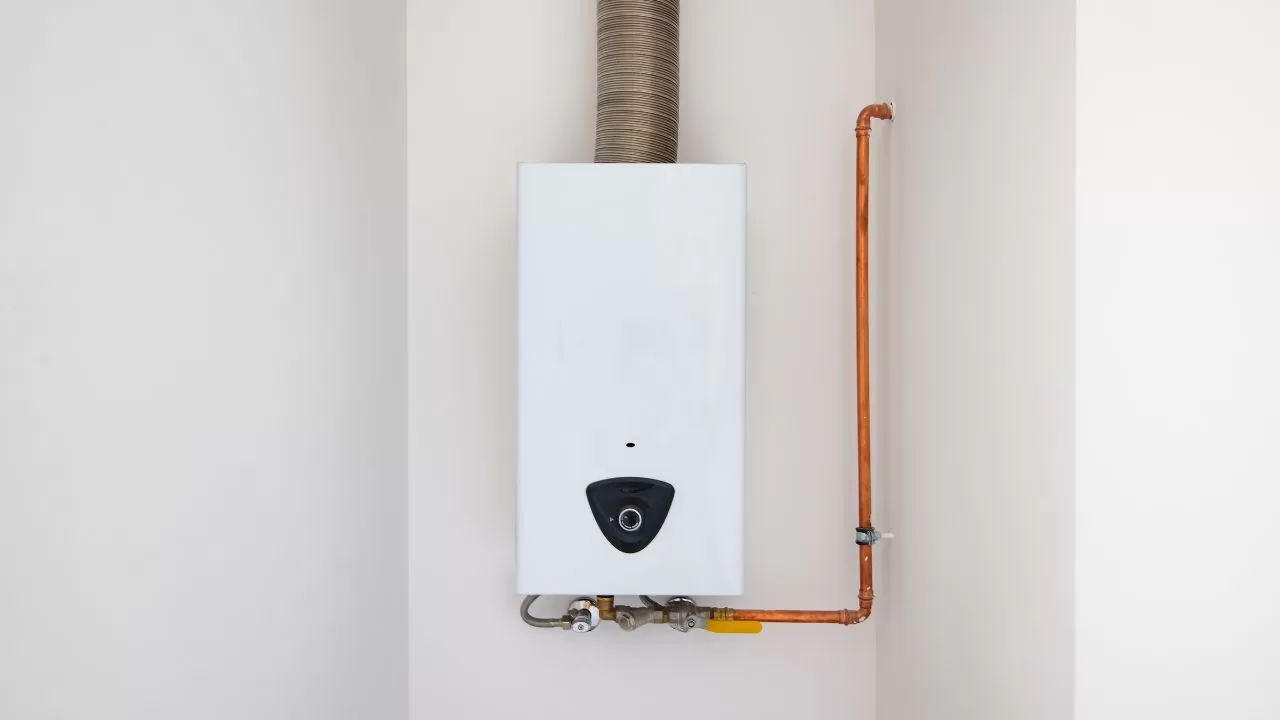
Gas hot water systems run on natural gas or LPG and come in storage or continuous flow (instantaneous) options. Storage systems keep a tank of water heated and ready to use. Continuous flow units heat water only when needed — reducing energy waste significantly.
Gas systems are generally more cost-effective to run than electric, especially in homes already connected to mains gas. Installation must be completed by a licensed gas fitter — it is not a DIY job under Australian law.
Electric Water Heaters
Electric water heaters are the most common choice for homes without natural gas access. A heating element inside a storage tank warms the water. They have lower upfront costs but can be more expensive to run.
Electric models are available in a range of sizes and many are compatible with off-peak electricity tariffs — which can reduce running costs significantly if timed correctly.
Solar and Heat Pump Systems
Solar hot water systems use roof-mounted collectors to capture energy from the sun, with a gas or electric backup element for cloudy days. Heat pump systems extract warmth from the surrounding air — similar to how a reverse-cycle air conditioner works.
Both options have higher upfront costs but lower long-term running costs, making them popular for energy-conscious homeowners across Adelaide, Perth and Brisbane.
Hot Water System Installation — What’s Involved
Installing a hot water system in Australia is not a DIY job. All installations must be carried out by licensed professionals who comply with the relevant Australian plumbing and electrical codes.
How to Install a Hot Water System — Step by Step
- Assess the site — plumber evaluates existing connections, space, and energy source
- Select the correct unit — matched to household size and energy type
- Disconnect and remove the old unit (if replacing)
- Prepare the area — wall mounting, ground placement, or concrete slab if required
- Connect water lines, gas or electricity, and required valves including tempering valve
- Test for leaks — check water pressure and confirm correct operation
- Issue a certificate of compliance — required for all gas and electrical work in Australia
Most installations take 2–6 hours depending on system type and site accessibility.
How Long Does It Take to Install a Hot Water System?
- Standard electric storage replacement: 2–3 hours
- Gas storage replacement: 3–4 hours
- New installation (no existing connections): 4–6 hours
- Solar or heat pump system: 4–8 hours (involves roof mounting)
Who Installs a Hot Water System?
A licensed plumber handles water connections and general installation. If gas is involved, a licensed gas fitter must complete the gas line connections. For electric systems, a licensed electrician may be required for hardwired connections.
In most cases, a single licensed tradesperson holds all the required licences — but always confirm before booking.
Gas Hot Water System Installation
Gas hot water system installation must meet strict Australian safety standards. A licensed gas fitter is required by law to complete the work.
Key Requirements for Gas Installation
- Proper flueing or venting to remove combustion gases safely
- A tempering valve must be installed to prevent scalding (required under Australian law)
- LPG systems require compliant gas bottle placement and approved regulators
- The gas line must be pressure-tested for leaks before use
- An installation compliance certificate must be issued on completion
After installation, the technician tests ignition, burner function, and water temperature. Never attempt a gas hot water installation without a qualified installer — it is illegal and dangerous.
Gas Hot Water System Replacement vs New Installation
| Scenario | Typical Time | What’s Involved |
|---|---|---|
| Like-for-like replacement | 2–4 hours | Disconnect old unit, connect new using existing lines |
| New installation | 4–6 hours | New gas line, flue system, mounting |
| Switching from electric to gas | 4–8 hours | New gas connection required |
Electric Hot Water System Installation
Electric hot water system installation is generally more straightforward than gas — no flue or gas line required. However, hardwired connections still require a licensed electrician.
Sizing Guide — Electric and Gas Systems
| Household Size | Recommended Tank Size |
|---|---|
| 1–2 people | 80–125 litres |
| 3–4 people | 160–250 litres |
| 5+ people | 315 litres or continuous flow |
An undersized system will run out of hot water constantly. An oversized one wastes energy heating water you don’t use. Always confirm sizing with your installer before purchasing.
Hot Water System Replacement — When to Replace
Most hot water systems last 8–12 years. Here are the clear signs it’s time to replace yours:
- Water is not heating consistently or takes longer than usual
- Visible rust or corrosion around the tank or connections
- Leaks from the tank body, valves, or fittings
- Pilot light issues or ignition problems on older gas units
- System is over 10 years old and requiring frequent repairs
- Unusual noises — banging, rumbling, or popping from the tank
Replace Hot Water System — What Happens
During replacement the old unit is disconnected, drained, and removed. The new system is installed in the same location where possible, using existing gas and water line connections. Your plumber will make any adjustments required to meet current Australian regulations.
Modern systems are significantly more efficient than older ones — including electronic ignition, adjustable temperature controls, and faster recovery times.
Hot Water System Maintenance — Keep It Running Longer
Regular maintenance extends the life of your hot water system and prevents unexpected failures. Here’s what to check:
| Component | How Often | What to Do |
|---|---|---|
| Pressure relief valve | Every 6 months | Test manually — replace if it drips constantly |
| Anode rod | Every 3–5 years | Inspect and replace — prevents rust inside the tank |
| Water temperature | Annually | Should be set to 60°C to kill bacteria |
| Gas flame colour | Annually | Should be blue — yellow or orange signals a problem |
| Tank exterior | Annually | Check for rust, leaks, or corrosion |
| Continuous flow unit | Annually | Clear debris from vents and ensure adequate ventilation |
Hot Water System Maintenance Tips — Adelaide, Perth & Brisbane
Hard water is common across Adelaide and parts of Perth — mineral build-up inside tanks and on heating elements is a leading cause of early system failure. Flushing the tank annually and fitting an inlet water filter significantly extends lifespan.
In Brisbane, high humidity can accelerate external corrosion — check the tank exterior and fittings annually, and ensure outdoor units are sheltered but well ventilated.
Need a Hot Water System Installed or Replaced?
Same Day Trades provides same-day hot water system installation and replacement across Adelaide, Perth and Brisbane. Our licensed plumbers and gas fitters carry stock of the most common systems — so there’s no waiting around for parts.
- No call-out fee
- $55 OFF same-day repairs
- Licensed and insured
- Compliance certificate provided
Call 1300 632 094 — available 24/7.
Book Hot Water Installation — Adelaide | Book Hot Water Installation — Perth | Book Hot Water Installation — Brisbane
Frequently Asked Questions
How long does it take to install a hot water system?
Most installations are completed in 2 to 6 hours. A standard like for like storage system replacement usually takes 2 to 4 hours, while new installations involving gas or electrical work may take longer.
How to install a hot water system in Australia?
Hot water system installation in Australia must be done by a licensed plumber, gas fitter, or electrician depending on the system. The process includes removing the old unit, connecting water and power or gas lines, installing a tempering valve, testing, and issuing a compliance certificate.
Can I install a gas water heater myself?
No. Gas water heater installation must be completed by a licensed gas fitter in Australia. DIY installation is illegal and can be dangerous.
What is the difference between gas and electric water heaters?
Gas systems usually have lower running costs but are more complex to install. Electric systems are easier and cheaper to install but can cost more to run, especially without off peak electricity.
How do I know when my hot water system needs to be replaced?
Signs include inconsistent water temperature, rust or leaks, pilot light issues, unusual noises, and systems older than 10 years.
Are continuous flow systems better than storage tanks?
It depends on usage. Continuous flow systems provide hot water on demand and are energy efficient, while storage tanks are better for homes using multiple outlets at the same time.
Does a plumber or electrician install a hot water system?
A licensed plumber installs the system and handles water connections. Gas systems require a licensed gas fitter, while electric systems may need a licensed electrician for wiring.
How much does it cost to install a hot water system in Australia?
Costs vary by system type. Electric replacements typically range from 800 to 1500 dollars, while gas systems can range from 1000 to 2000 dollars or more. Solar and heat pump systems cost more but may qualify for rebates.
What size hot water system do I need?
For 1 to 2 people, 80 to 125 litres is suitable. For 3 to 4 people, 160 to 250 litres is recommended. For 5 or more people, 315 litres or a continuous flow system is ideal.