
Air Conditioning North Fremantle
North Fremantle runs as a narrow strip between the Swan River and the Indian Ocean, threading from the working port and its wharves up to the sand at Leighton Beach. Heritage workers’ cottages and character homes share the streets with new apartments at Leighton and Taylor Road, and the salt reaches every one of them from both waters. Same Day Trades covers the full range here, from high-wall splits and multi-head setups to zoned ducted systems, servicing and repairs. Our licensed Perth technicians size each system to the cottage, the ceilings and the double coastal load this river-to-ocean suburb carries.
Book a North Fremantle team that arrives on time and finishes clean. Call Same Day Trades on 1300 632 094 for same day air conditioning across the suburb.
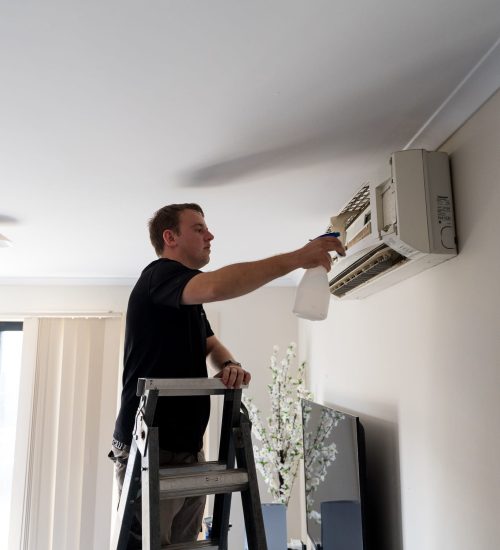
Same Day Trades Air Conditioning in North Fremantle
Homes across North Fremantle hold a distinct port-and-beach character. The streets near the wharves carry heritage workers’ cottages with narrow blocks, low ceilings and limited roof space, while the ground rising toward Leighton Beach mixes new apartments and strata with older brick homes facing the sand. Cooling each one well asks for more than a unit on a wall. It takes a plan that respects a compact cottage and equipment made to hold up against salt from both the river and the ocean.
Same Day Trades works across the suburb, from the port-side cottages near the rail line to the apartments and beach homes around Leighton and Taylor Road. Our team of Perth air conditioning specialists plans each install around the home in front of it, matching capacity and placement to how these narrow coastal homes are lived in.
A narrow strip from the port to Leighton Beach
North Fremantle is one of the narrowest suburbs on the coast, a thin band of land running between the Swan River and the Indian Ocean. It stretches from the working port and its wharves at the southern end up to the sand at Leighton Beach, gathering heritage cottages, character homes and new apartments along the way. Same Day Trades plans every system around the home in front of us rather than a template.
That narrow river-to-ocean setting shapes each job along the strip. A cottage near the wharves at the port faces very different conditions to an apartment above Leighton Beach, so we weigh the aspect, the salt reach and how the household lives before choosing a system. From a single high-wall split to a fully zoned ducted network, we quote up front and size the gear to the home itself.
Heritage workers’ cottages with limited roof space
Much of North Fremantle near the port grew as workers’ cottages, small single-storey homes on narrow blocks with low ceilings and a shallow roof cavity. That tight roof space rules out the sprawling duct runs a larger home takes, so cooling a cottage means choosing a system that fits the fabric rather than forcing plant into a space it was never built to hold.
A high-wall split answers most of these cottages well, cooling a room without a metre of ductwork overhead. We study the cavity and the ceiling line first, then set the indoor head where it clears the low ceiling and picks up the whole room. Where a cottage has been opened out at the rear, a compact multi-head often suits the newer layout better.
New apartments and strata at Leighton and Taylor Road
The northern end of the suburb, around Leighton and Taylor Road, has filled with new apartments and strata developments looking over the beach. These homes bring shared walls, body corporate rules and few approved spots for a condenser, so we choose compact plant that fits a tight footprint and satisfies the building’s conditions before a bracket goes up.
Strata approvals shape the timing as much as the fit-out. We site the outdoor unit where the strata plan allows, hold noise down for close neighbours, and run pipework along the least visible line so the building frontage stays clean. A multi-head split feeds several rooms from one condenser, which suits an apartment where outdoor space is scarce.
Double salt load from the river and the ocean
A narrow suburb between two waters takes salt from both sides. At Leighton Beach the Indian Ocean drives spray straight in from the west, while the Swan River carries its own salt-laden air up from the port to the east. An outdoor condenser here works against a corrosion load few inland suburbs impose, and standard hardware fades far sooner for it.
That double exposure governs how we size and site every system across North Fremantle. We read where a home sits along the strip, judge which water carries the heavier drift, and choose equipment and placement to match. A unit defended against salt from both quarters keeps its output long after an ordinary one has begun to rust and struggle.
Corrosion-resistant condensers for a two-water suburb
A North Fremantle fit-out lives or dies on how well the coil is defended. Our condensers arrive with coils treated for salt and cabinets finished in protective coatings, chosen for a suburb that collects drift from both the river and the beach. We stand each unit where the heavier spray reaches it least and build a clean-water rinse into the service routine.
Left unguarded, everyday units decay fast on a two-water strip, cabinets streaking with rust as the fins clog and airflow thins. Our technicians know which models endure between the port and Leighton Beach and mount them where salt collects least, so a home near the sand clears the harshest fortnight of summer without corrosion cutting the equipment short.
Cooling around the port and the wharves
The southern end of North Fremantle sits hard against the working port and its wharves, where the air carries more salt and grit than a few streets inland. Cottages and homes in these port-side streets face heavier corrosion and a busier setting, so equipment has to be chosen for genuine harbourside duty rather than a mild suburban run.
We site the condenser on these blocks where the wharf wind can pass without forcing salt straight through the coil, sheltering it behind a return wall or screen while keeping airflow clear. A regular rinse lifts the salt film off the fins before it bites, so a port-side system holds its output through the hottest, saltiest weeks.
Whole-home comfort for a narrow character home
Character homes along the strip often run long and narrow on their blocks, with rooms strung one behind another rather than spread wide. Cooling the whole home evenly is the challenge, because a single head near the front leaves the rear rooms warm. We plan placement so cooled air reaches every room down the length of the house.
For a longer character home a multi-head or a compact ducted layout usually wins, treating the front and rear rooms as separate zones. That keeps the living areas comfortable by day and the bedrooms overnight without one unit straining to carry the full length. We balance the zones so no part of the home is left behind.
Sizing compact cottage rooms and low ceilings
A workers’ cottage carries lower ceilings and smaller rooms than a modern build, so sizing here works the other way from a grand home. An oversized unit short-cycles in a compact room, wasting power and leaving the air damp, so we match the capacity to the real volume rather than reaching for the biggest head on the shelf.
We measure each room on site, weigh the glass, the aspect and the low ceiling, then size from the actual volume. A cottage facing the western sun off Leighton Beach carries a heavier afternoon load than a shaded room near the rail line, and honest figures at the quote stage keep every room steady through summer.
Discreet high-wall splits inside a workers’ cottage
Inside a heritage cottage a wall head can jar with a picture rail, a high skirting or an original cornice if it goes up without thought. We choose indoor positions above door height and off the main sightline, so each head settles into the room instead of cutting across the period detail these small homes are valued for.
The outdoor side gets the same care. We carry the interconnecting pipe inside a cavity or along a concealed rear line rather than clipping it across a heritage wall, and set the condenser down a side return out of view. On a narrow block that hidden routing keeps a cottage looking as it always has from the street.
Tight access on port-side streets and rail land
The streets near the port and the rail line are short and tight, and the rail reserve cuts through part of the suburb, which shapes a job before a tool comes out. Parking a truck, moving a condenser down a narrow side path and lifting gear to a rear plant space all take planning on a cramped block.
Living here means near-city and near-Fremantle convenience on a small footprint, and we work with that. We scope access, parking and any lift on the first visit, set the condenser on level footing rather than a squeezed corner, and route the run so install day stays clear of the neighbours packed in close along the strip.
Servicing coastal systems near Leighton Beach
A coastal system near Leighton Beach asks for steady attention, because salt, sand and grit load filters and coils far faster here than inland. A neglected unit labours harder for the same output and fails sooner, so booking regular air conditioning servicing keeps a beachside machine running cooler and drawing less power.
A visit takes in coil and filter cleaning, a refrigerant check, drain clearing and a thorough corrosion inspection against the double salt load. Our technicians catch the small faults before they grow into a failure on the hottest afternoon, so a yearly service is the sensible baseline for any North Fremantle home this close to the water.
A ducted installation finished to match a cottage
Where a character home has the roof space for it, a ducted system carries even cooling through the whole house from the cavity. Our ducted air conditioning installation keeps grilles square to the ceiling, bulkheads shallow and cabling out of sight, so the result reads as part of the cottage rather than an afterthought.
A retrofit done properly the first time spares you reopening a heritage ceiling later. We map the shallow cavity, route the runs where the framing allows, then commission the plant and balance the airflow room by room before handover. We protect the original fabric throughout, test every zone, and leave the site clean.
Repairs for ageing systems by the wharves
When an older North Fremantle system drops out in the heat, fast air conditioning repairs get the home liveable again. We track down the real fault rather than resetting and hoping, whether it traces to a spent compressor, a coil eaten by port salt, a drain fouled by coastal damp or a control board that has dropped a zone.
Older plant in a port-side home can be hard to read, with obsolete parts and access up a tight side return or a low roof. Our technicians carry the common spares and know how these systems age by the water, so most call-outs wrap up in one visit. Where a part has truly reached its end, we say so straight.
One reverse-cycle system for cooling and heating
North Fremantle mornings turn raw in winter, with the wind coming off the river and the ocean at once and a cottage feeling the chill in every room. A reverse-cycle system covers both ends of the year, cooling through summer and warming the same spaces once the coastal cold arrives, all from one set of gear kept out of sight.
Reverse-cycle warmth costs a fraction of a plug-in heater fighting the draught in an old cottage. We set the rooms you wake to on a timer, then let the system ease back once the home clears. In a small heritage home where a single hearth once carried the load, steady warmth across the whole house is a real step up.
Multi-head splits for cottage additions and studios
Cottages along the strip have grown over the years, gaining a rear extension, a converted lean-to or a studio off the back. Such additions seldom tie neatly into a central plant, so a multi-head split answers them well, feeding one outdoor unit to several discreet heads across the newer spaces without touching the original cottage core.
The approach leaves the heritage rooms alone while the added spaces get real cooling. We size each head to its room, thread the pipework along a hidden route, and tuck the outdoor unit out of the salt drift. Because every head runs on its own, a spare studio draws power only when someone uses it, keeping a small home sensible to run.
Frequently Asked Questions
Yes. Many North Fremantle cottages near the port carry low ceilings and a shallow roof cavity that rules out full ducting. A high-wall split cools a room without ductwork overhead, and we set the head where it clears the low ceiling. Where a cottage has been opened at the rear, a compact multi-head often suits the newer layout better.
Usually yes. New apartments and strata homes around Leighton and Taylor Road bring body corporate rules and few approved spots for a condenser. We site the outdoor unit where the strata plan allows, hold noise down for close neighbours, and run pipework along the least visible line. A multi-head split feeds several rooms from one condenser.
Yes. The suburb runs as a narrow strip between the Swan River and the Indian Ocean, so an outdoor condenser gathers salt from the ocean at Leighton Beach to the west and the river up from the port to the east. That double load corrodes faster than a one-sided coast, so we fit coated coils and rinse the unit regularly.
Homes near the sand catch the heaviest westerly salt drift, so we stand the condenser clear of the direct spray and specify coils and cabinets finished for seaside duty. We add a clean-water rinse to the service routine to lift the salt film before it bites into the fins, keeping output steady through the hottest weeks.
It does. Lower ceilings and smaller rooms mean an oversized unit short-cycles, wasting power and leaving the air damp. We measure each room on site, weigh the glass and the aspect, then size from the real volume rather than the biggest head available. A west-facing room off the beach carries a heavier afternoon load than a shaded one.
Yes. On a heritage cottage we plan the work around the elevation, never through it. The outdoor unit sits down a side return out of view, pipe runs follow hidden lines, and the indoor head goes above door height clear of a cornice or picture rail. Our technicians walk the home first so the finished install reads as part of it.
Yes. We scope access, parking and any lift on the first visit, because a cramped port-side block shapes the job. A condenser needs level footing, so we set it true rather than squeezing it into a corner. We route the run to keep install day clear of the neighbours packed close along the strip.
Once a year at minimum, and best before summer. Facing salt from both the river and the ocean, filters and coils clog faster here than inland. A visit covers coil and filter cleaning, a refrigerant check, drain clearing and a corrosion inspection, bringing minor faults to light before they strand you on the hottest afternoon.
Yes. A reverse-cycle system cools through summer and warms the same rooms once the coastal cold sets in, all from one set of equipment. It suits a North Fremantle cottage that turns raw when the wind comes off the river and the ocean at once, and it runs far cheaper than a plug-in heater through winter.
We do, reaching North Fremantle breakdowns the same day whenever the run sheet allows, which counts when a unit fails mid-summer. Port-side and beachside homes throw up salt-eaten coils and worn compressors, and with common parts aboard the van many faults clear in one visit. Call 1300 632 094 early for the best chance of a slot.
Nearby Suburbs We Also Service
Our Perth air conditioning team also covers the suburbs around North Fremantle, so if you are close by there is a good chance one of our technicians is already working nearby.
East Fremantle, Fremantle, Mosman Park, Palmyra, Bicton, Beaconsfield, South Fremantle, White Gum Valley.
North Fremantle WA 6159 Service Area
Same Day Trades services North Fremantle 6159 and all surrounding suburbs across Perth.


