
Air Conditioning North Lake
North Lake wraps around its wetland reserve on the quieter south-of-river ground between Kardinya, Bibra Lake and Murdoch, a small suburb of 1970s and 80s brick homes on good blocks with mature gardens. Same Day Trades covers the full range of air conditioning here, from ducted retrofits into the generous roof space to multi-split layouts, servicing and repairs on every make. Our licensed Perth technicians size each system to the home and the damp air that drifts off the reserve, so bedrooms and living zones hold an even temperature right through a long, sticky summer.
Book a North Lake team that turns up on time and leaves the site clean. Call Same Day Trades on 1300 632 094 for same day air conditioning across the suburb.
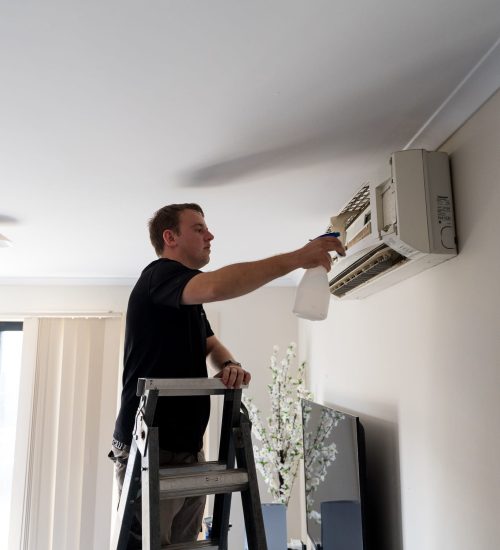
Same Day Trades Air Conditioning in North Lake
Homes in North Lake went up through the 1970s and 80s, brick-and-tile on good blocks with the original ceilings and roomy roof cavity still in place. Many sit close to the North Lake wetland reserve, where the water and reed beds lift local humidity, draw insects and birdlife, and leave still evenings feeling damp. Cooling them well means reading the house first: a roof void that carries ducting, wide hallways that move return air, and mature garden shade that cools some walls while others take the full afternoon sun.
Same Day Trades works right across the small suburb, from the streets backing onto the reserve to the homes closer to Murdoch and Cockburn. See how our Perth air conditioning services suit your place, then let our team confirm the right system for your North Lake home and household.
Cooling a Small Suburb Built Around Its Lake
North Lake is a compact, low-key suburb south of the river, its streets curving around the wetland reserve that gives the place its name. Homes here went up through the 1970s and 80s in brick and tile, set on broad blocks with settled gardens. Our crew knows these roads well, and we treat a reserve-side home as the practical cooling job it is.
The lake shapes daily life more than newcomers expect. Water sitting close by keeps the evening air soft and moist, while thick brick walls store the day’s heat and let it go slowly after dark. Owners tend to be replacing a tired first system, so we favour ducted retrofits, well-placed splits and a capacity reading tied to how each household truly lives.
When the Reserve Sends Its Damp Air Indoors
Humidity is the defining challenge of cooling a North Lake home. The wetland holds moisture that a dry inland suburb never meets, and that dampness drifts across the closest blocks on a still night. Air heavy with water makes a poorly chosen unit strain for little comfort, so we read the moisture load into every plan before a quote goes out.
Reverse-cycle equipment answers the problem by wringing water from the air as it cools. We set fan speeds and run cycles so the system draws moisture out steadily rather than blasting cold air then shutting off. A living room that once felt clammy after sunset holds dry and even instead, which suits both the household and the fabric of an older home.
Homes That Back Onto the Paperbark and Reed Beds
A fair share of North Lake houses sit right on the reserve boundary, their rear fences facing paperbark stands and dense reed beds. That green frontage is the suburb’s real charm, drawing waterbirds and keeping the outlook soft. It also means the rooms looking over the water carry a different comfort load to those on a dry corner block.
We factor that edge into where the cooling goes and how hard it has to work. Bedrooms and living areas facing the reeds hold the damp long after the sun drops behind the trees. Sizing and vent placement account for that, so a room on the reserve side stays fresh through a warm, sticky evening rather than turning heavy and close.
Guarding Older Rooms Against Wetland Damp and Mould
Left unchecked, the moisture that settles over North Lake can breed mould and a stale, stuffy feel in rooms near the reserve. That matters for the people breathing the air and for the timber and plaster of a home built decades back. Getting the dehumidifying side of a system right sits at the centre of how we specify equipment here.
We tune the cooling so it lifts water from the air on a slow, steady cycle rather than chilling a room and stopping short. Filters chosen for the damp catch more of what floats in off the reeds. The result is a dry, healthy interior that resists the musty smell waterside homes can gather across a long humid summer.
Keeping Midges, Waterbirds and Reed Litter Off the Condenser
An outdoor unit beside a wetland faces hazards a dry suburb never meets. Midges and mosquitoes breed in the still water and gather around warm cabinets, nesting birds pick at the panels, and reed litter blows onto the coil. We place the condenser to dodge the worst of it, clear of where debris tends to bank against the fins.
A little forethought keeps a reserve-side unit healthy for years. We choose a spot with clean airflow and easy reach, away from the usual drift of leaves and seed heads, then build a thorough annual clean into the service plan. Clearing insects, nests and reed matter off the coil each year keeps air moving freely through the damp months.
Threading Ducts Through a Deep 1980s Roof
The older homes of North Lake carry one clear advantage overhead. Built with a generous pitch and a deep, open cavity, these houses leave space to run trunk ducting and return-air paths without cutting into the ceilings below. That headroom makes a ducted retrofit far neater than owners imagine, opening whole-home comfort no single wall unit can spread across a family layout.
We climb up and inspect the cavity before quoting, because a proper look up top shows what the house can truly carry. Where pitch and access permit, the ducting hides overhead and feeds neat ceiling vents, zoned so the day rooms run through the afternoon and the sleeping wing takes over at night. We scale each design to the house itself and never oversell capacity.
Split Systems for the Rooms You Actually Use
Full ducting is not the right answer for every home, and a split layout works for owners who need comfort in the key rooms without the larger spend. One outdoor unit can serve several indoor heads through the living area and main bedrooms, leaving the yard uncluttered and letting each space run to match how the household uses it.
A split setup also spreads the cost over stages, building comfort one room at a time. We study the floor plan first, then place each head where it pushes air across the room rather than straight down a short hall. The compressor settles on firm ground clear of bedroom windows, so the unit stays calm where a small, low-key suburb values calm most.
Matching Capacity to a Broad North Lake Block
Capacity decides whether a cooling job satisfies or disappoints. A unit sized too small toils all afternoon without winning, while one too large short-cycles and leaves the air damp, the very last thing a humid reserve-side home needs. We calculate the true heat load from ceiling volume, glazing, orientation and insulation before settling on any equipment.
Blocks in this suburb are broader than a modern infill lot, which means more floor space and a greater body of air to hold at temperature. That added volume makes exact sizing matter all the more. A western living room bears the worst of the day, and a long row of bedrooms brings its own demand, so both numbers feed the calculation before equipment is chosen.
Reading Garden Canopy Against a Baking West Wall
The suburb’s decades of growth show in tall trees and thick gardens, and that leaf cover changes how much cooling each part of a house needs. A wall in shade stays kinder to the room behind it, while an exposed western face bakes right through a summer afternoon. We judge every elevation on site instead of treating a home as a single even load.
That greenery also dictates the best home for the condenser. Tuck it beneath a dense canopy and dropped leaves smother the coil; strand it in open sun and it strains beyond need. We look for a position with free airflow, a measure of shade and clear reach for future service, then bolt it down so vibration never travels into the walls.
Zone Control Across a Long Family Floor Plan
The floor plans here place three or four bedrooms at one end and the shared living space at the other, an arrangement that lends itself to zoning. Dividing a ducted system into zones lets the living area cool through the day while the bedrooms stay idle until night. Nobody spends power conditioning a wing that sits empty for hours.
We shape the zones around the real rhythm of a household. Mornings belong to the kitchen and bedrooms, afternoons shift to the living area as children come home, and a hot weekend calls on the whole house at once. Each area answers to its own controller, and the app hands you an override when visitors stay over or someone works late.
Retiring an Evaporative Unit That Falters by the Water
A number of North Lake homes still lean on the first cooling ever fitted, an ageing ducted box or an evaporative unit that gives up on a humid February day. Evaporative gear depends on dry air to work, so beside the wetland on a still, moist night it does very little. Once equipment passes its life, repairs stop adding up.
We assess the whole setup before advising anything. Sometimes the ductwork is sound and only the outdoor unit and controller want replacing, which keeps the job neat. Other times a changed floor plan calls for a fresh duct layout, and we say which plainly. A modern reverse-cycle swap cools, dries and warms the same rooms while trimming the running cost.
One System for Warm Nights and Cold Wetland Mornings
The hot months prompt most enquiries, though winter mornings in North Lake carry a real edge, and the damp air rising off the reserve leaves a cold snap sitting over the low streets. A reverse-cycle system handles both halves of the year, cooling through the heat and warming those same rooms when the chill lands, from a single set of gear. No standalone heater to buy or find room for.
Watt for watt, reverse-cycle returns far more warmth than a plug-in heater ever manages in a big home. We can schedule the bedroom and kitchen zones to build heat before the alarm sounds, then step down once everyone leaves for the day. Carrying steady warmth across a spread-out home is exactly where zoning earns its keep as the cold takes hold.
A Clean Fit-Out Inside a Lived-In House
A fit-out has gone right when you forget it is there once the crew leaves. Our ducted and split installation work sets grilles true, hides the cable runs and parks the outdoor unit away from the eyeline. We cover floors through a home still being lived in, fit our work around the daily routine, and hand back every room as clean as we found it.
Getting it right on day one spares trouble afterwards. We commission each system, balance the airflow zone by zone, and prove every controller before handover. By the end you know your way around the app, the filters and the schedules. On a solid brick home beside the reserve we plot the roof access and wall cores carefully so the finish reads clean.
Yearly Care That Fends Off Wetland Grime
Cooling gear takes a beating through a humid North Lake summer, and steady seasonal servicing holds it close to its rated efficiency. We rinse the filters, clear the coils, check the refrigerant charge and cycle the zones and controllers. Spotting a minor fault now keeps it from turning into a dead unit on the hottest day, when a booking is hardest to land.
There is a wellbeing side to servicing near the water too. Neglected, a unit builds up dust, damp and mould that then carry into the bedrooms on every run. A clean machine shifts the same air under far less strain, and the quarterly bill shows it. We record what each visit finds, so a tired part can be budgeted for before it gives out.
Quick Repairs From a Crew Who Knows These Streets
When cooling drops out in the depths of a heatwave, a fast breakdown repair counts for a house full of people. We follow the fault back to its root, whether a burnt-out capacitor, a creeping gas leak, a blocked drain line or a controller that has lost its zones, then cure the cause rather than wiping the code and crossing our fingers.
Our crew is out across North Lake most weeks, from the houses fronting the reserve to the blocks nearer Murdoch and Cockburn, so we have a feel for how these brick and tile homes hold heat in the damp. Our own team sees each job through from first look to final test. Call us, tell us what the home needs, and we lock in a time that suits.
Frequently Asked Questions
Yes. The reserve holds moisture that lifts humidity across nearby streets through the warmer months, and heavy, damp air makes a poorly matched unit strain for little result. Reverse-cycle cooling draws water out as it cools, so rooms feel fresh rather than muggy. We build that moisture load into sizing and setup for every North Lake home.
It can. Bedrooms and living areas looking over the reeds carry the damp long after sunset, which no basic cooler shifts well. A properly tuned reverse-cycle system dries the air on a steady cycle as it cools, so a waterside room settles dry and even overnight. We set fan speeds and run times with that dampness in mind.
They can. Living beside the wetland means midges gather around warm cabinets, birds nest in the panels, and reed litter blows onto the coil. We site the condenser clear of the worst drift, with clean airflow and easy access, then fold a yearly clean into servicing. Clearing insects, nests and reed matter keeps a system breathing freely.
Often poorly. Evaporative cooling relies on dry air, so on a still, humid night beside the wetland it does very little. A reverse-cycle upgrade cools and dries the same rooms and warms them in winter. We check the existing ductwork first, keeping any sound runs to hold the changeover neat and the outlay contained.
Usually, yes. Homes built here through the 1970s and 80s came with a generous pitch and a deep cavity, giving space to route ducting and return-air paths without cutting into the ceilings. We always inspect the roof before quoting, so you never pay for a system the house cannot physically carry across its floor plan.
By making the system dehumidify, not only chill. We tune the run cycle so it draws moisture out steadily and fit filters suited to the damp air off the reeds. That keeps the stale, musty feel out of rooms near the reserve, which protects both the household’s air and the plaster and timber of an older home.
It depends on how you live in the house. A household spread across the whole floor plan leans toward zoned ducted, while a couple using mainly one living area may do better with a split or two. We lay out the trade-offs on capacity, control and running costs honestly before you decide on your home.
We calculate the load from ceiling volume, glazing, orientation and insulation rather than reading it off the floor plan. These homes hold more air than a modern build, and a western living room takes the late sun, so both feed the figures. Correct sizing keeps the busy end steady without short-cycling or leaving the air damp.
Yes. A single reverse-cycle system covers both seasons, cooling through summer and warming the same rooms once the cold sets in over the low-lying North Lake streets. It draws far less power than a portable heater across a large home. We can program the living and bedroom zones to reach temperature before the household wakes.
Often the same day, wherever our schedule allows, which counts when a unit fails mid-summer. Our crew carries the common parts, so many faults are diagnosed and repaired in one visit. Phone early in the day for the best chance of a slot before the afternoon books out across the suburb.
Nearby Suburbs We Also Service
Our Perth air conditioning team also covers the suburbs around North Lake, so if you are close by there is a good chance one of our technicians is already working nearby.
Hamilton Hill, Spearwood, Kardinya, Bibra Lake, Coolbellup, Hilton, Samson, Beaconsfield.
North Lake WA 6163 Service Area
Same Day Trades services North Lake 6163 and all surrounding suburbs across Perth.


