
Air Conditioning Gooseberry Hill
Gooseberry Hill clings to the very lip of the Darling Scarp above Kalamunda, where the Zig Zag drops away in switchbacks and character homes perch on steep treed blocks with the coastal plain laid out below. Same Day Trades handles the full spread for this escarpment-edge suburb: ducted reverse-cycle installation, split system fit-outs, servicing and fast repairs. Our licensed Perth technicians size systems for view-facing glass, work outdoor placement around scarp-face access, and set capacity for the wide day-to-night swings this exposed ridge throws.
Book a site visit for straight sizing advice matched to your scarp-edge block. Call Same Day Trades on 1300 632 094 for same day air conditioning across Gooseberry Hill.
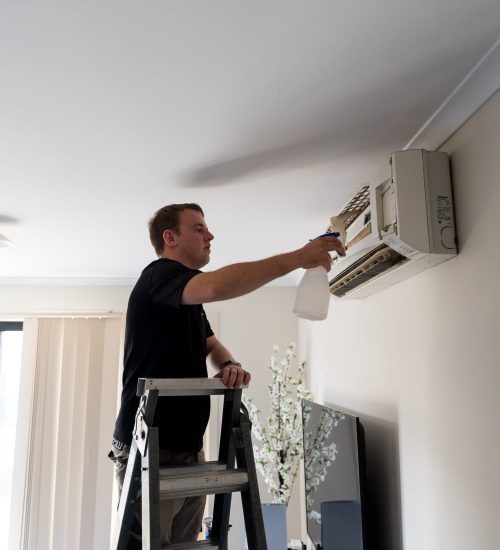
Same Day Trades Air Conditioning in Gooseberry Hill
Cooling a view home on the scarp edge is a different job from a flat suburban lot. West and north walls of glass soak up afternoon sun off the plain, split-level floorplans send conditioned air up and down between wings, and steep driveways make gear haulage a planning job before a tool comes out. We work the layout around how a Gooseberry Hill household actually lives, so the living zones facing the view stay comfortable while spare rooms sit switched off.
Same Day Trades covers the whole eastern scarp and the wider metro, and our full Perth air conditioning crew brings installation, servicing and repair under one roof. The team that sizes and fits your system is the same one you call for a tune-up or a fault before the next hot spell rolls in.
Reverse-Cycle Built for Scarp-Edge Swings
Gooseberry Hill sits right on the escarpment lip, and the temperature here refuses to sit still. A summer afternoon bakes the plain and throws heat straight back up the scarp face, then the exposed edge sheds it fast once the sun drops behind the ridge and the cold escarpment air settles in after dark. A single reverse-cycle unit answers both ends of that daily gap, cooling hard at the peak and pushing warmth back through the cold hours.
So we plan the system for the extremes this edge delivers, not a mild average day. Capacity, controls and airflow are set for a house that dumps heat off the view walls by mid-afternoon and reclaims it after a raw scarp night. Getting that spread right stops the unit labouring at either limit and keeps an escarpment machine dependable.
Ducted Design for Split-Level Scarp Homes
Most Gooseberry Hill homes step down the scarp face, and a floorplan on three or four levels is normal near the Zig Zag. Ducted reverse-cycle suits these homes because it carries conditioned air the whole vertical run without a wall box on every landing. We map the trunk and branch layout to the split levels, keep the runs short where the pitch allows, and route ductwork through roof space and service voids so the view lines stay clean.
We back that with zoning so a stepped home does not condition floors nobody is standing on. Lower bedroom levels idle through the day while the upper living deck runs, then flip after dark. Our ducted air conditioning installation is designed for the level changes and long throws a scarp-edge home puts in front of the ducting.
Sizing for View-Home Glazing Loads
The reason people build on this edge is the view, so the walls facing the plain carry a lot of glass. That glazing is a heat gate, pouring in western and northern sun through the hottest part of the afternoon and then leaking warmth straight back out on a cold night. Size a unit for floor area alone and it will fall behind on a still January day and struggle to hold the room after dark.
We measure the glass, its aspect and any shading before we quote capacity. A room walled in west-facing windows over the plain needs more grunt than its square metres suggest, so we load the calculation for the aspect. That way the living zone holds its set point while the sun is full on the glass.
Working Steep Scarp-Face Access
Access is the first thing we assess at Gooseberry Hill, because a block on the scarp face rarely gives an easy path. Driveways drop away at a hard pitch, outdoor units often want a footing well below the entry, and there is frequently no flat run to walk a condenser along. We plan the haul, the lift and the mounting before quote day so nothing stalls on install day halfway up a slope.
That groundwork covers bracket type, footing on unstable ground and the safest line to move gear on a steep block. A condenser on a scarp-face terrace needs solid mounting and clear airflow, not a quick pad on a slope. Reading the access early keeps a hard-block install tidy.
Split Placement on Multi-Level Homes
Split systems earn their place on Gooseberry Hill homes where a single zone or an add-on room does not justify full ducting. The catch on a multi-level scarp house is where the outdoor unit lands. Put it wrong and you are running long refrigerant lines up and down the levels, buffeting the fan in the ridge wind, or blocking the view the owner paid for. Placement is the whole game here.
We read the levels, the pipe runs and the prevailing scarp wind before we mount anything. The head goes where it actually treats the room, and the condenser breathes clean air out of the worst gust line and off the view sightlines. That gives you a quiet split that suits a stepped home rather than fighting its shape.
Cold Escarpment Nights Handled
Sitting on the exposed edge, Gooseberry Hill loses heat fast once the sun is gone. Nights on the scarp lip run colder than the plain below, and the drop can be sharp when a clear sky pulls warmth off the ridge. Reverse-cycle earns its keep here because the same unit that cooled the view wall at three swings over to heating by nine, with no second appliance and no gas run.
We set the heating side to the real overnight lows this edge sees, not a soft metro figure. Capacity and airflow are matched so the machine warms the living deck through the cold hours without short-cycling. On a treed scarp block, that reverse-cycle warmth is what makes the system worth its footing.
Leaf Litter and Bushfire Clearances
Gooseberry Hill sits in jarrah forest, and the litter that comes with it is a real factor for an outdoor unit. Bark, leaf and dry debris pile against a condenser through summer, choking the coil and dropping efficiency right when the machine is working hardest. On a bushfire-prone block that build-up is also a clearance issue, so where the unit sits and how clear it stays both matter.
We place condensers with airflow and clearance in mind, off the worst of the leaf drop and out of debris traps against fences and eaves. Keeping the coil clear is part of routine air conditioning servicing, where we clear litter, wash the fins and check the unit has proper space around it. On a forested block that upkeep protects performance and clearance both.
Zoning for View-Facing Living
Homes on this edge are built around the outlook, so the living, kitchen and deck zones face the plain while bedrooms and services tuck behind. That layout is made for zoning. There is no sense conditioning the rear rooms while the household sits in the view zone all afternoon, and no sense heating the whole home overnight when only the main bedroom wing is in use.
We set zones to match how a scarp-edge home is lived in. The view-facing living deck runs hard through the day, the sleeping wing takes over at night, and empty rooms sit off. On a large split-level home that control is where running cost is won, because the compressor only works the floors in use.
Retrofitting Character and Architect Homes
Gooseberry Hill carries a lot of character and architect-designed homes, and dropping a system into one is careful work. Timber-lined ceilings, exposed rafters, raked roofs and heritage detail all limit where ducting and heads can go without spoiling the design. We survey the roof space, the wall cavities and the sightlines before we commit to a route, so the fit works with the build rather than scarring it.
On homes where ducting cannot run cleanly, a considered split layout keeps treatment where it is needed with minimal visual cost. Where roof space allows, low-profile ducting hides the plant entirely. Either way we plan around the architecture first, so an owner who built for the view and the timber is not left looking at boxes and grilles.
Fast Repairs Before the Heat Peaks
When a unit fails on a Gooseberry Hill summer afternoon, the scarp-edge glazing turns a home into an oven quickly. We run same day air conditioning repairs across the eastern hills so a dead system does not sit through a heatwave. Get the call in early and we aim to have a technician on the block that day, diagnosing the fault rather than guessing at parts.
Our vans carry the common failure parts, so a capacitor, contactor, sensor or control fault is often fixed on the first visit. For deeper faults we quote the repair straight, with no filler. Booking air conditioning repairs early in a hot spell beats waiting until the whole hills queue is backed up and every scarp home is calling at once.
Servicing That Suits a Treed Ridge
A machine on a forested scarp block works harder for its clean air than one on an open suburban lot, so servicing here is not a token check. Leaf and bark load the coil, dust settles on the fins, and the wide temperature swings push the unit through a bigger daily range than a mild plain sits in. Regular attention keeps a scarp-edge system honest across those loads.
On a service we clear the coil, wash the filters, check refrigerant charge and confirm the electricals are tight and safe. We also look at how the outdoor unit is coping with the litter and the wind on your particular block, because a condenser on the edge sees conditions a sheltered one never does. Keeping ahead of that is what stops a small drop in output becoming a summer breakdown.
Controls and Smart Zoning
Modern controls turn a big scarp-edge home from a blunt instrument into something a household actually manages. Zone control, timers and smart thermostats let an owner run the view deck through the afternoon, warm the main wing before a cold escarpment dawn, and leave the rest idle. On a split-level home with a wide floorplan that control is the difference between a sensible bill and a shock.
We set the controls to match the levels and daily rhythm of your home, then show you how they work rather than leaving a manual on the bench. Whether it is a wall controller for a split or a zoned touch panel for a ducted system, the aim is a machine you can steer easily.
Matching System Type to the Block
Not every Gooseberry Hill home wants the same answer, so we start with the block rather than a product. A compact upper-level home may only need a couple of well-placed splits, while a sprawling split-level build down the scarp face is a ducted job. Access, roof space, glazing and how the household lives all feed the call, and we lay the options out plainly before you spend.
That means you get the system the home actually needs, not the biggest one we can sell. On a hard scarp block we weigh install complexity and running cost together, so the choice still makes sense in five years. Getting the type right at the start is what saves an owner from paying twice when a rushed pick cannot hold the view rooms.
Placement Around the Ridge Wind
The escarpment edge catches wind a sheltered block never sees, and that wind matters for an outdoor unit. Set a condenser in the wrong line and the fan buffets, grit drives onto the coil, and the machine works against the gust instead of with it. On a Gooseberry Hill block, reading the prevailing wind off the scarp is part of getting the placement right.
We site the condenser out of the worst gust line while giving it clean, open airflow, and mount it solid enough that a big blow does not shift or rattle it. On an exposed edge that steadiness keeps the unit quiet and protects the coil from the dust the wind carries every windy night.
Local Crew Who Know the Scarp
Same Day Trades works the eastern scarp week in and week out, so a Gooseberry Hill job does not get a crew learning the terrain on your driveway. We know the steep-block access, the litter and wind loads on the edge, and the way view-home glazing behaves through a hard afternoon. That local read means the quote matches the job and the install runs without surprises.
From the first site visit to the follow-up service, you deal with a team that treats a scarp-edge home as its own kind of job. We size for the swings, place for the wind and litter, and set controls a household can actually use. Call Same Day Trades on 1300 632 094 and get air conditioning built for the Gooseberry Hill edge, not a flat-lot template.
Frequently Asked Questions
It does. Steep driveways and blocks that drop away leave little flat ground to move gear or set a condenser, so we plan the haul, lift and mounting before install day. We work out bracket type and footing on the pitch early, which keeps a hard scarp-face job tidy and stops it stalling halfway up the slope.
Walls of west and north glass over the plain act as a heat gate, pouring in afternoon sun and leaking warmth back out at night. Sizing on floor area alone leaves the unit behind on a hot still day. We measure the glass and its aspect so capacity matches the real load in the view rooms.
It depends on the block. A stepped home over several levels usually suits ducted reverse-cycle, which carries air the full vertical run with zoning. A compact upper-level home or single add-on room can do well on a couple of placed splits. We weigh access, roof space and how you live before we recommend either.
We place condensers off the worst of the jarrah leaf drop and out of debris traps against fences and eaves, with clear space around the coil. Routine servicing clears the litter, washes the fins and confirms the clearance. On a forested scarp block that upkeep protects both performance and the space you want kept clear.
Yes. The exposed edge loses heat fast after dark and runs colder than the plain below, so the same unit that cooled your view wall by day swings to heating at night. We set the heating side to the real overnight lows this ridge sees, so it warms the living zone through the cold hours without short-cycling.
The scarp lip catches wind a sheltered block never gets, so we site the condenser out of the worst gust line while keeping clean airflow around it. It is mounted solid enough that a big blow does not shift or rattle it. Reading the prevailing wind off the scarp is part of getting the placement right.
No. We survey timber ceilings, raked roofs and sightlines before committing to a route, so ducting and heads work with the build rather than scarring it. Where ducting cannot run cleanly we plan a considered split layout instead. The aim is treatment where you need it without spoiling the architecture you built for.
We run same day repairs across the eastern hills, so call early and we aim to have a technician on your block that day. Our vans carry the common failure parts, so many faults are fixed on the first visit. Booking early in a hot spell beats waiting until the whole hills queue backs up.
It makes a real difference. View-facing homes are used in the living and deck zones by day and the sleeping wing at night, so conditioning the whole floorplan wastes output. Zoning runs only the levels in use, which keeps the compressor off empty rooms and is where running cost on a large split-level home is won.
Once a year suits most homes, ideally before summer. A unit on a treed edge loads up with leaf and dust and works a wider daily swing than a plain lot, so it earns the attention. We clear the coil, wash filters, check charge and confirm the electricals, catching a small drop in output before it becomes a summer breakdown.
Nearby Suburbs We Also Service
Our Perth air conditioning team also covers the suburbs around Gooseberry Hill, so if you are close by there is a good chance one of our technicians is already working nearby.
Lesmurdie, Kalamunda, Carmel, Walliston, Bickley, Pickering Brook, Hacketts Gully, Paulls Valley.
Gooseberry Hill WA 6076 Service Area
Same Day Trades services Gooseberry Hill 6076 and all surrounding suburbs across Perth.


