
Air Conditioning Paulls Valley
Paulls Valley is a tiny, secluded jarrah-forest pocket in the Perth Hills below Kalamunda and Lesmurdie, where a handful of large bush blocks sit tucked deep into the forested valley floor. Same Day Trades covers the full range for this hidden hills address: ducted reverse-cycle installation, split system fit-outs, servicing, and fast repairs. Our licensed Perth technicians size systems for homes buried in the trees, place heads to suit steep treed access, and set capacity for the wide gap between a cold valley-floor dawn and a hot, dry summer afternoon under the jarrah canopy.
Book a site visit for straight sizing advice matched to your forest block. Call Same Day Trades on 1300 632 094 for same day air conditioning across Paulls Valley and the surrounding Perth Hills.
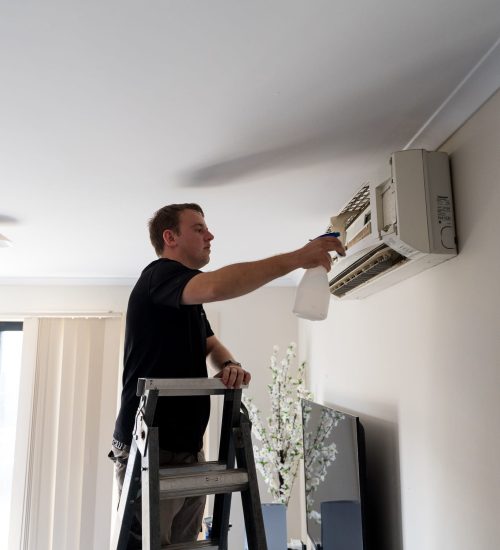
Same Day Trades Air Conditioning in Paulls Valley
Cooling a Paulls Valley home tucked deep in the forest is a different job from a flat suburban block. Large bush lots, steep treed driveways, and rooms that swing from a cold morning to a hot afternoon mean conditioned air has to work hard and still land where the household lives. We plan layouts around how a secluded hills home actually runs, so the main living areas stay comfortable while rooms sitting empty through the day are switched off.
Same Day Trades works right across the eastern hills and the wider metro, and our full Perth air conditioning team brings installation, servicing, and repair under one roof. The crew who sizes and fits your system is the same one you call when it needs a tune-up or a fault sorted before the next hot spell settles over the valley.
A Tiny Secluded Pocket Deep in the Jarrah Forest
Paulls Valley is one of the smallest and most hidden localities in the Kalamunda hills, a narrow jarrah-forest valley below Lesmurdie where only a handful of homes sit among the trees. There are no shops and no townsite here, just large bush and lifestyle blocks strung along the forested valley floor, deep in the Bickley and Carmel catchment country.
That seclusion shapes every job we take on here. Reaching a Paulls Valley block means winding forest lanes and a long run from the nearest trade base, so our team scopes the work in full on the first visit and comes back with the right gear in one trip rather than losing days to travel back and forth.
Reverse-Cycle for a Cold Valley Floor and a Hot Dry Afternoon
A Paulls Valley day runs to two extremes. Through summer the afternoon sun pushes down into the valley and the air turns hot and dry, then the forest sheds that warmth fast once the light drops behind the ridge and the valley floor cools hard. One reverse-cycle unit answers both faces of that day, cooling through the peak and returning heat when the evening chill sets in.
We build the system around those extremes rather than a mild average. Capacity, controls, and airflow are all matched to a home that bakes on a still afternoon yet wants firm warmth on a cold forest morning. Setting that balance holds the unit off its limits at both ends and keeps output steady right through the year.
Deep Cold-Air Settling on the Valley Floor at Dawn
Cold air behaves in its own way down in a forested valley. After sunset the chilled air slides off the surrounding slopes and settles on the valley floor, so a Paulls Valley home wakes to a genuinely cold start well after the ridges above have warmed. Homes set lowest in the fold feel the deepest bite each winter morning, and the cold can hang about in the shaded hollows long past sunrise.
That drainage leans the heating side of the sizing. A room sitting in that cold sink needs capacity set for the low the valley floor truly reaches, not the milder figure a suburban forecast shows. We read where a home sits in the fall of the land, weighing the slope and the depth of the fold, so the warmth holds on the coldest mornings without the unit straining.
Dense Jarrah Canopy Shade Across the Block
The jarrah canopy over Paulls Valley is thick, and it throws deep shade across the homes below through much of the day. That shade cuts the direct heat load on many rooms, yet the pockets of glass that do catch a break in the trees can load up sharply, so cooling need shifts room by room across a single house.
We read where the canopy shades and where the sun breaks through before we set any capacity. A room shielded by dense forest behaves nothing like one that catches a gap of afternoon light, so the numbers move around the house. We also account for how the canopy thins in the cooler months once some leaf drops, shifting the load again through the year. Matching output to that real pattern keeps each room level without oversizing the whole system.
Ducted Reverse-Cycle for Homes Tucked Into the Trees
A larger Paulls Valley home spread across a living end, a bedroom wing, and a studio wants even comfort in every corner. Ducted reverse-cycle delivers that from one hidden indoor unit, leaving the timber-lined rooms and forest-view windows clear of wall heads. Where the roof space allows the ductwork, it treats a rambling bush-block house as a single balanced space.
How that job performs rests on the design behind it. Duct runs, vent placement, and return-air paths are all worked out around how a home sits among the trees, which is why our ducted reverse-cycle installation starts with careful measurement rather than assumption. Roof pitch, ceiling height, glazing, and the number of live zones all shape the layout first.
Steep Treed Driveways and Getting Gear to the Door
Most Paulls Valley homes sit well off the sealed road, down steep treed driveways that drop toward the valley floor. Loose gravel, tight bends, and overhanging branches all dictate which vehicle and trolley can reach the house, and a heavy outdoor unit or a length of ducting cannot be muscled down a slick forest track by hand.
Knowing the approach ahead of time keeps install day tidy. We settle the parking spot, map the carry path across the block, and plan the final lift before the crew turns up, so the equipment travels cleanly to the house instead of bogging down on a soft, shaded verge among the trees.
Careful Split Placement for a House Buried in Forest
Full ducting is not the right call for every home here. One living zone, a master bedroom, a detached studio, or a room added under the trees is often served best by a split sized for that space alone. We fit the indoor head where it spreads air across the room and tuck the pipe run out of view where the wall build allows.
Where the condenser lands outside matters just as much on a forest block. We set it where air circulates freely, clear of a hot wall or a corner hemmed in by dense planting, so the unit is not fighting its own warm air. Careful placement on a shaded bush lot is what keeps a split steady through the hottest afternoons.
Bushfire Asset-Protection Clearances Around the Unit
Paulls Valley sits deep in jarrah forest, so blocks here fall inside bushfire asset-protection zones that govern where an outdoor unit can safely go. Dry leaf, bark, and gum litter drift against a condenser right through summer, and on a fire-prone forest block that build-up is a safety question as much as an airflow one.
We stand the condenser back from where the heaviest bush drop lands, out of the choke points beside fences and eaves, with clear ground around the coil. On a lot buried in the forest, holding that gap open feeds the air the machine needs and keeps the surrounds as an asset-protection zone should stay through a dry fire season.
Off-Grid-Leaning Solar and Generator Supply
Being so far out, many Paulls Valley homes lean on rooftop solar, battery storage, and a standby generator rather than relying on a strong grid connection. Air conditioning is a heavy load, so on a property running partly off its own supply the system has to be chosen and set up with that limited headroom firmly in mind.
We size the load against how the home is powered and steer owners toward efficient units and controls that draw more of their cooling and heating from the panels through the day. Matching the system to a solar-and-generator setup keeps a forest home comfortable without leaning on power the block cannot spare. Running the heaviest cooling through the middle of the day, when the panels are at their strongest, stretches that supply even further on a hot, still afternoon.
Long Refrigerant Runs on a Big Bush Block
On a large Paulls Valley block the dwelling often sits deep in the lot behind grown trees, and the best condenser spot can fall well away from the indoor fan coil. A long refrigerant line loses output before cooled air reaches the room, so we plot each length before work begins to hold capacity across the width of a big bush lot.
How the pipe work is routed counts as much as how far it runs. The crew gauges, insulates, and clips every line to shield it from beating sun, sprinkler drift, and the odd knock. Handled well at install, a long forest run holds full strength from switch-on rather than tiring as the afternoon load climbs.
Keeping the Coil Clear of Heavy Forest Litter
Outdoor units on the wooded lots of Paulls Valley take a heavy fall of debris. Gum nuts, strips of bark, dead leaf, and mower clippings pack around the fan and lodge deep in the fins the unit uses to move air. Once that build-up takes hold it strangles the coil and saps performance right when the system faces its heaviest summer demand.
Our answer starts with where we put the unit and continues at every visit. We keep the outdoor box out from under the worst of the canopy and away from the pinch points beside fences or thick planting, then clear the surrounds each service. On a forest block, protecting that free breathing does more for capacity and lifespan than almost anything.
Sizing for a Large Bush Block With Few Neighbours
Sizing carries real weight on a Paulls Valley home, where houses tend to be large, lived in fully, and set among generous rooms and high ceilings. An undersized unit runs flat out without ever catching up, while an oversized one short-cycles and wastes power. We measure the house properly rather than guessing off floor area alone.
Our sizing weighs orientation, insulation, ceiling height, glazing, and the deep shade the forest throws across the day. A home buried in the trees behaves nothing like one on an open rise, so the numbers move house to house. Fitting output to the real building holds each room level through a long, dry hills summer.
Annual Servicing on a Deep-Forest Rhythm
Reliability on a forest block rests on regular maintenance. Filters clog with fine bush dust, a film of leaf and gum settles over the coils, and condensate drains silt up with organic matter faster than on an open suburban lot. Left alone, the unit fades a little at a time, then fails on the hottest afternoon of the season.
We set up reverse-cycle servicing on a yearly cadence that suits a Paulls Valley property, cleaning the filters, washing the coils, checking refrigerant pressure, and testing the wiring under load before the hot months. Catching a tired capacitor or a low charge early heads off a mid-summer failure and holds the gear at the efficiency it was designed around.
Same Day Repairs Despite the Distance
A breakdown on a scorching valley afternoon leaves no room for a multi-day wait, and out here the distance from the nearest technician often means exactly that wait with another trade. Our repair vans reach the whole eastern hills on the same day, stocked with the parts that fail most often, so most faults are put right on the one call.
Rather than paper over a symptom, the team hunts down what has gone wrong. A failed capacitor, a seized fan, a leaking refrigerant line, or a dead control board gets traced to its root, and we finish the reverse-cycle repair to a standard that holds. Phoning in early in a warm spell puts you ahead of the hills queue.
Why Paulls Valley Homes Call Same Day Trades
Locals here call us because we handle the quirks of a tiny, secluded forest valley, not just flat suburban streets. We size for big bush blocks and deep canopy shade, plan the steep treed driveway, work clean around the bushfire clearances, and turn up despite the distance when a system quits in a hot spell.
The same crew looks after installation, servicing, and repairs across Paulls Valley and the wider Kalamunda hills, so the people who fit your system are the ones who return to maintain it. Fair sizing, plain advice, and support that actually reaches your forest block keep valley households coming back to Same Day Trades. Call 1300 632 094.
Frequently Asked Questions
Yes. We cover Paulls Valley and the surrounding Kalamunda hills, taking in the large bush blocks strung along the forested valley floor below Lesmurdie. Our licensed Perth technicians work the eastern hills daily, so the steep treed driveways, the deep canopy shade, and the wide gap between a cold dawn and a hot afternoon are familiar ground. Call to arrange a site visit.
Yes. Most Paulls Valley homes sit well off the sealed road, down steep gravel driveways that drop through the trees. We check the approach on the site visit, sort the parking and carry path, and turn up with the vehicle and trolley the track needs, so install day runs smoothly rather than stalling on a soft, shaded verge.
It can. We weigh the cooling and heating loads together, since valley afternoons turn hot and dry while the floor cools hard once the sun drops behind the ridge. Choosing capacity that pushes firm warmth through a cold forest morning as well as beating a hot afternoon lets one unit carry the home through the daily swing.
It does. After sunset, chilled air slides off the surrounding slopes and gathers on the valley floor, so a home set low in the fold cops a colder start than the ridges above. We size the heating for the low that spot actually settles at, so the warmth holds through the coldest mornings without the unit straining.
On these forest blocks, the asset-protection zone shapes placement. We keep the condenser back from the heaviest leaf, bark, and gum litter, clear of debris traps against fences and eaves, and with open ground around it. That protects the airflow the unit draws and keeps the clearance the zone is meant to hold through a dry fire season.
Yes, and many Paulls Valley homes lean that way. We size the load against how the block is powered, whether that is rooftop solar, battery storage, or a standby generator, and steer owners toward efficient units and controls. That draws more of the cooling and heating from the panels through the day rather than straining a limited supply.
It depends on the house. Where the roof space allows the ductwork, ducted reverse-cycle serves a rambling bush-block home evenly with zoning to manage costs. For a single living zone, a studio, or a room added under the trees, a split covering that one space often suits better. We look over the home and recommend the better fit.
We measure the house room by room rather than guessing off floor area. Orientation, insulation, ceiling height, glazing, and the deep shade the jarrah canopy casts all feed into the capacity we choose. A home buried in the trees behaves nothing like one on an open rise, so the numbers move from house to house.
Yearly, and best booked ahead of summer. Blocks deep in the forest coat the unit with bush dust, leaf, and gum far faster than an open yard, which restricts airflow and trims output. A regular service cleans the filters and coils, checks the gas charge and wiring, and finds tired parts before they give way in a heatwave.
We do. Despite the distance, our crew carries the parts that most commonly fail and runs same day repairs across the hills, so most breakdowns are sorted on the first visit. When a unit drops out on a hot valley afternoon, phone early and we will do our best to have cooling back the same day.
Nearby Suburbs We Also Service
Our Perth air conditioning team also covers the suburbs around Paulls Valley, so if you are close by there is a good chance one of our technicians is already working nearby.
Lesmurdie, Kalamunda, Gooseberry Hill, Carmel, Walliston, Bickley, Pickering Brook, Hacketts Gully.
Paulls Valley WA 6076 Service Area
Same Day Trades services Paulls Valley 6076 and all surrounding suburbs across Perth.


