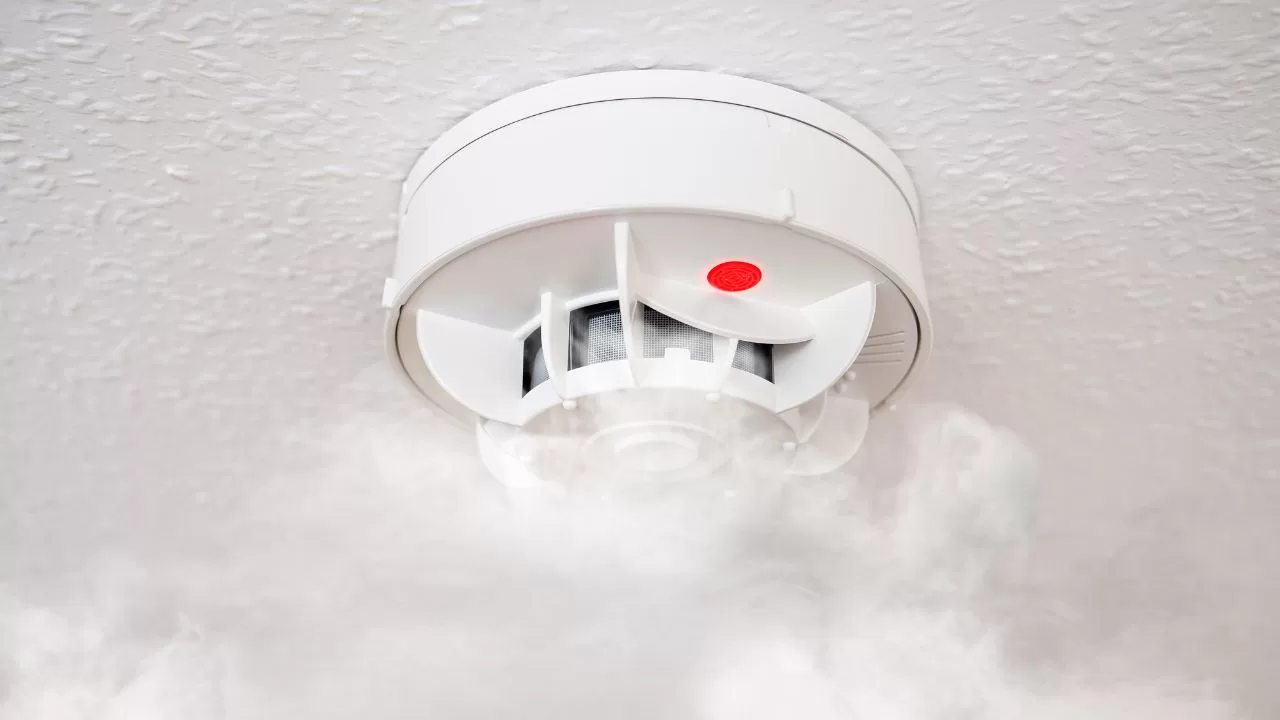
If you live in Brisbane, you already know our summers are hot and our storms intense. What you may not realize is that Queensland’s smoke-alarm rules have also heated up. As of 2025, every home—whether you own, rent, or sell—must meet strict new standards. These laws aren’t red tape; they are life-savers. By the end of this page, you’ll know exactly what is required, how to get compliant, and where to turn for help.
Why Working Smoke Alarms Save Lives
Most house fires start small: a charger overheating, a forgotten pan, or a spark in old wiring. The first danger isn’t flames but smoke, and it moves faster than people expect. A working alarm sounds while you still have time to get outside, call Triple-Zero, and keep a bad day from becoming a tragedy. In fact, fire-safety researchers say working alarms cut the risk of death in a house fire by half.
Queensland’s 2025 Smoke-Alarm Laws at a Glance
From 1 January 2025, the rules for existing Brisbane homes tighten:
- Photoelectric only—older ionization models are out.
- Interconnected—when one alarm beeps, they all beep.
- Hard-wired or sealed 10-year lithium battery—no loose 9 V batteries.
- Less than 10 years old—check the date stamp.
- Placement—one alarm inside every bedroom, in adjoining hallways, and on each story.
Still unsure? Read the official Queensland Smoke Alarm Laws page fire.qld.gov.au.
What Counts as a “Compliant” Alarm?
Photoelectric Technology
Photoelectric sensors “see” visible smoke, making them quicker at spotting slow, smoldering fires than the ionization style many of us grew up with. That speed is why the law now demands them.
Interconnection
By linking alarms wirelessly or with cabling, the whole house hears the alert. Interconnection isn’t optional—it’s baked into the 2025 rules.
Power Source
Choose either a hard-wired model with a backup battery or a stand-alone unit that has a sealed, non-removable 10-year lithium cell. Anything that needs a yearly battery swap is yesterday’s tech.
Where Do the Alarms Go?
The legislation leaves little to guesswork:
- Inside every bedroom.
- Hallways that join bedrooms to the rest of the house.
- Each level of the dwelling.
- Where no hallway exists, install between the bedroom and exit path.
- Stories without bedrooms still need one alarm on the likely exit route.
Example: A two-story home with three bedrooms upstairs and a guest room downstairs needs at least five alarms—four for the bedrooms and one in each hallway or exit path.
DIY or Call a Licensed Electrician?
A handy owner can screw in a lithium-battery unit, yet most Brisbane homes end up needing hard-wired, interconnected systems. Only licensed electricians may run new wiring or issue a compliance certificate. Bringing in a professional removes guesswork, ensures correct placement, and gives you written proof your property is legal—handy when you sell or renew a lease.
What Will It Cost? (Spoiler: Less Than a Fine)
Prices swing with house size and alarm count, but typical ballparks look like this:
- Supply-only lithium alarms: $60–$90 each
- Hard-wired, supplied & installed: $160–$220 each
- Whole-home packages (four–six alarms, interlinked): $750–$1,250
A non-compliance fine can top $5,000, and that’s before counting the risk you run with insurers.
Looking After Your Alarms
Installing is step one; maintaining is step two. Keep it simple:
- Monthly: Press the test button until it squeals.
- Six-monthly: Vacuum the vents to remove dust.
- Ten-yearly: Replace the entire alarm, even if it still works.
- Anytime: A random chirp means the battery is dying—or the unit has expired.
A good installer leaves you with a maintenance log. Use it.
Special Situations
Selling a Home
Contracts can’t settle until alarms are fully up-to-code. Many conveyancers now ask for a compliance certificate up-front. Skip the upgrade and you may watch buyers head for the door.
Renting Out Property
Landlords must install compliant alarms and test them within 30 days before a new lease or renewal. Tenants must tell landlords if an alarm stops working.
Renovating
Any significant reno—think building approval—triggers an immediate upgrade to 2025 standards, even if the rest of the suburb waits until 2027.
How to Pick a Good Brisbane Installer
Not all tradies are equal. Before you book, ask:
- Are you a licensed electrician?
- Do you supply photoelectric AS 3786-2014 alarms?
- Will you provide an interconnection test and certificate?
- Can you quote in writing, including parts and labor?
- Do you service my suburb (e.g., North Lakes, Logan, Ipswich)?
A Real-Life Lesson
In August 2023 a landlord on Russell Island was fined after a house fire killed a father and five children. Investigators found the home lacked the interconnected photoelectric alarms required since 2022. The fine—just $667—was tiny compared with the human cost, but it shows the courts will act when owners ignore the rules
Conclusion: Act Now, Sleep Better Tonight
Compliant smoke alarms aren’t just boxes to tick; they are early-warning guardians for everyone who lives under your roof. Queensland’s 2025 rules show the government is serious about cutting fire deaths, and the 2027 all-homes deadline is closer than it sounds.
If you’re unsure whether your property measures up, book a licensed installer today. A short visit, a few neatly wired alarms, and you can rest easy knowing you’re legal, insured, and—most importantly—safe.
Ready to protect your family and your investment? Call our Brisbane team or request a quote online. One quick upgrade could be the smartest move you make all year.
Frequently Asked Questions
Do I have to replace working battery alarms?
Yes, if they aren’t photoelectric, interconnected, and powered by a sealed 10-year cell.
Can different brands interconnect?
Not reliably. Stick to one brand unless your installer confirms they “speak” the same wireless language.
Is hard-wiring mandatory?
No. A sealed 10-year lithium battery version is legal, but many owners choose hard-wired for peace of mind.
What if my house has high ceilings?
There are specialized “long-range” alarms or installation brackets—ask your electrician.
Is there a rebate?
None at the state level, but some insurers give small discounts for documented compliance.
When is the final deadline?
All Queensland dwellings—owner-occupied or not—must be fully compliant by 1 January 2027 .