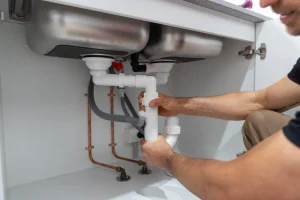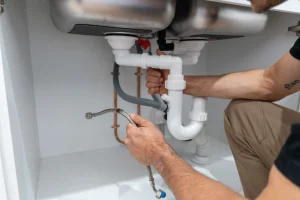
We can all agree that a leaking drain under basin or sink is one of the most common household plumbing issues. Kitchen and bathroom sinks,

A rainwater tank reduces your mains water use and bill by collecting roof water for the garden, toilets and laundry, and installing one means connecting the downpipes to fill it, fitting a pump for pressure, and plumbing the supply to where you want it. Our licensed plumbers install and plumb in rainwater tanks, connect the downpipes with a first-flush diverter and leaf screen, fit and connect the pump, and plumb the tank to your garden taps, toilets and laundry with the right switching, and test it all. We install rainwater tanks across Brisbane, Perth and Adelaide, with an upfront fixed price.
We are local, licensed and insured plumbers who do this work every day, so we get it right the first time, with no mess and no surprises on the invoice.
Whatever the job, you get honest advice and a tidy, professional result.
A rainwater tank collects the water that falls on your roof and stores it for use, reducing your reliance on mains water and lowering your water bill. Installing one properly means connecting the downpipes to fill the tank, fitting a pump to provide pressure, and plumbing the tank’s supply to where you want to use it, the garden, toilets and laundry, so the collected water actually gets used. We install and plumb in rainwater tanks, handling the downpipe connections, the pump, the supply plumbing, and the overflow, and test it all. Whether for the garden or to supply the home, we install rainwater tanks across Brisbane, Perth and Adelaide, with an upfront fixed price.
A rainwater tank offers several benefits:
Depending on how you connect it, a tank can supply just the garden, or also the toilets and laundry, where it can make a real dent in your mains water use. We install and plumb tanks to suit how you want to use the collected water.
To fill the tank, we connect your roof downpipes to it, so the rainwater running off your roof is directed into the tank rather than straight to the stormwater. We typically fit a first-flush diverter, which sends the first, dirtiest flush of water (carrying roof debris) away before the cleaner water fills the tank, and leaf screens to keep leaves out, so the stored water is cleaner. We also fit an overflow, connected to the stormwater, so excess water in a heavy downpour is safely carried away once the tank is full. Connecting the downpipes properly, with a diverter, screens and overflow, is key to filling the tank with clean water and handling the overflow.
To use the water from the tank with proper pressure, most installations need a pump, which draws water from the tank and delivers it under pressure to the garden taps, or to the toilets and laundry inside the house. We install and connect a suitable pump for your needs, sized to deliver the flow and pressure required. Some installations, where the tank is elevated, can use a gravity feed for garden use, but for household supply and good pressure, a pump is usually needed. We fit the pump, connect it to the tank and the supply plumbing, and set it up to run correctly. The right pump, properly installed, is what makes the collected water genuinely usable around your home and garden.
Where a rainwater tank really saves on mains water is when it is plumbed to supply the home, the toilets and the laundry (cold water), which use a lot of water that does not need to be mains-quality. We can plumb the tank’s pumped supply to your toilets and laundry, with an automatic changeover to mains water when the tank is empty, so you never run out. This requires the right connections and switching, done to the standard. Supplying the toilets and laundry from the tank can significantly cut your mains water use. We can plumb the tank for garden use only, or extend it to supply the toilets and laundry, depending on how much you want to save.
Even if you do not plumb the tank into the house, supplying the garden and outdoor taps from the tank is a worthwhile use of the collected water, for watering the garden, lawn and plants, washing the car, and other outdoor uses, all without using mains water. This is especially valuable during water restrictions and dry periods, when tank water can keep your garden going. We connect the tank, via the pump, to your garden taps and irrigation, so you have collected rainwater on tap outdoors. For many homes, garden supply is the main use of the tank, and we set it up so you have a free, independent water source for all your outdoor needs.
Rainwater tanks come in many sizes and shapes, from large round tanks to slimline tanks that fit against a wall or in a narrow side space, and under-deck or bladder tanks for tight spots. The right size depends on your roof catchment area, your rainfall, how you will use the water, and the space available. A bigger tank stores more water for dry periods, while a slimline tank suits a small yard. We can advise on the right size and type of tank for your home, water needs and available space, so you get a tank that collects enough water and fits your property. We install and plumb tanks of all types, so you get the right one set up properly.
To keep the stored water clean, we fit the right inlet accessories as part of the installation. A first-flush diverter sends the first flush of each rainfall, which carries the dust, leaves and debris washed off the roof, away to waste before the cleaner water fills the tank. Leaf screens and gutter guards keep leaves and larger debris out of the tank. A strainer and insect screen on the inlet and overflow keep pests out. These keep the tank water cleaner and reduce sludge build-up and mosquito breeding. We fit these accessories as part of a proper tank installation, so the water you collect and store stays as clean as possible for its intended uses.
When the tank is full and it keeps raining, the excess water has to go somewhere, so we fit an overflow connected to the stormwater system, which safely carries the surplus away, just as the downpipes did before the tank, once the tank is full. Getting the overflow right is important, it must handle the full flow in a heavy downpour and discharge to an appropriate point, so the tank does not back up or cause water to pool around its base. We connect the overflow to the stormwater properly as part of the installation, so your tank fills with the rain it can store and safely sheds the excess, without causing drainage problems around the tank.
Where the tank goes, and what it sits on, matter. A full rainwater tank is very heavy, so it needs a solid, level base, a concrete slab, compacted crushed rock, or a proper tank stand, that can bear the weight, or the tank can settle, lean or crack. The location also needs reasonable access for the downpipe connections and the pump, and to suit how you will use the water. We advise on a suitable location and base for your tank, and ensure it is installed on a sound footing, so it is stable and safe once full. Getting the base and location right is part of a proper installation, protecting your investment in the tank.
The cost of installing a rainwater tank depends on the size and type of tank, the pump, how the downpipes and overflow are connected, and whether you are plumbing it just to the garden or also to the toilets and laundry, which involves more plumbing and a mains changeover. The tank base, if one needs preparing, also factors in. We assess your needs, roof, and space, and give you an upfront fixed price for the installation, so you know the cost. Some areas offer rebates for rainwater tanks, which we can let you know about. We will explain the options, so you can choose a setup that suits your budget and water-saving goals.
The real payoff of a rainwater tank is using the free water that falls on your roof instead of paying for mains water, which, over time, reduces your water bills, especially if the tank supplies the toilets and laundry as well as the garden. It also gives you water security for the garden during restrictions and dry spells. The more of your usage you can shift to tank water, the more you save, which is why plumbing the tank into the home, not just the garden, maximises the benefit. We set up your tank to make the most of the rain you collect, so it saves you water and money for years, as well as being good for the environment.
Installing and plumbing in a rainwater tank properly, the downpipe connections, first-flush diverter, pump, supply plumbing (including any mains changeover for the house), and overflow, is best done by a licensed plumber, so it collects, stores and delivers the water correctly and compliantly. Our team is fully licensed and insured, we install and plumb tanks for garden and household supply, fit the pump, diverters, screens and overflow, and test it all, and we back our work. You get a properly installed, water-saving tank, honest advice on size and setup, and upfront fixed pricing. For a plumber near you to install a rainwater tank, we cover Brisbane, Perth and Adelaide.
Yes. We install and plumb in rainwater tanks, connecting the downpipes to fill the tank, fitting the pump, and connecting the supply to your garden, toilets and laundry.
Yes. We can plumb the tank to supply toilets, the laundry and outdoor taps, reducing your mains water use, with a pump and the right connections and switching.
Usually yes, to provide pressure to the house or garden. We install and connect a suitable pump, or a gravity feed where it suits.
We connect your downpipes to the tank, often with a first-flush diverter and leaf screen, so rainwater from the roof fills it, with an overflow to the stormwater.
Yes. Using collected rainwater for the garden, toilets and laundry reduces your mains water use and bill.
It depends on the tank, the pump, and the plumbing connections. We give you an upfront fixed price before we start.
We install and plumb the tank and pump. We can fit ones you have chosen or advise on suitable options.
Yes, we install rainwater tanks across Brisbane, Perth and Adelaide.

We can all agree that a leaking drain under basin or sink is one of the most common household plumbing issues. Kitchen and bathroom sinks,

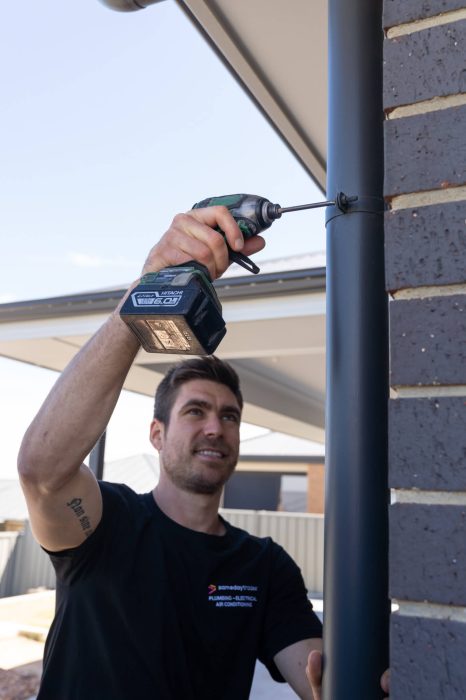
Are blocked drains or damaged pipes disrupting your plumbing network? Get in touch with us at Same Day Trades for effective solutions at the earliest.
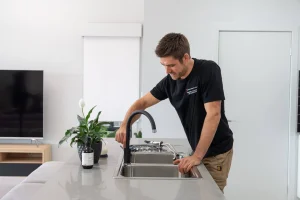
If you notice sudden leaks or rust-riddled water, it may be time to replace taps immediately. Fortunately, you have come to the right place. Contact

Pipes in the plumbing system of some homes may be blocked frequently due to various reasons. Sometimes roots may enter the pipes through the cracks
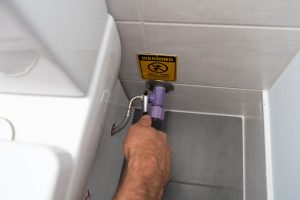
If you find constant puddles of water or condensation in a portion of the toilet, it means you’re dealing with a leaking toilet! There are
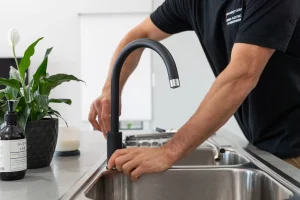
If your tap is faulty or looks outdated, you will want to replace it. And you’ve come to the right place for it! To install
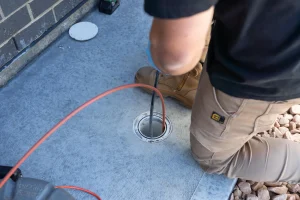
There can be multiple causes of a clogged drain, and it can prevent sinks and toilets from working. And snake down drains serve as excellent

Downpipes carry rainwater from gutters and let it reach the soil to prevent it from splashing or dripping down the roof. This way, the extra

With hundreds of 5 star reviews, we’re the local tradesmen you can trust.

We make sure you know exactly what you are paying for ahead of time.
You’re in safe hands as our tradesmen are fully licensed and insured to do your job.


Our work will be free of defects in workmanship and workmanship will be warranted for life.

We offer convenient booking times that can be worked around your schedule.

We take calls 24 hours a day and 365 days a year so that we’re always available to be of service.

With hundreds of 5 star reviews, we’re the local tradesmen you can trust.

We make sure you know exactly what you are paying for ahead of time.
You’re in safe hands as our tradesmen are fully licensed and insured to do your job.

Our work will be free of defects in workmanship and workmanship will be warranted for life.

We offer convenient booking times that can be worked around your schedule.

We take calls 24 hours a day and 365 days a year so that we’re always available to be of service.