
Air Conditioning Red Hill
Red Hill climbs the forested Darling Scarp on the Toodyay Road side in the City of Swan, a rural-residential locality of large bush acreage blocks beside John Forrest National Park, above Midland and Swan View. Same Day Trades covers the full range across this scarp-slope locality: ducted reverse-cycle installation, split system fit-outs, servicing, and fast repairs. Our licensed Perth technicians size systems for homesteads and lifestyle homes on wooded slopes, place heads to suit long floorplans, and keep outdoor units clear of the jarrah litter that gathers under the canopy through a long, dry summer.
Book a site visit for straight sizing advice matched to your forested scarp block. Call Same Day Trades on 1300 632 094 for same day air conditioning across Red Hill and the surrounding hills-edge locality.
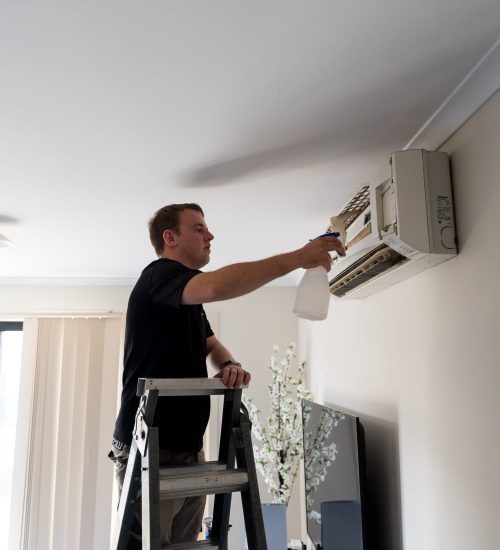
Same Day Trades Air Conditioning in Red Hill
Cooling a Red Hill home is a forested slope job, not a flat suburban one. Homes here sit high on the scarp among the jarrah, on large bush acreage blocks set well back down a driveway, so conditioned air has to carry across generous rooms and land with force. We plan layouts around how a bush-block household lives, so the main living areas stay comfortable while rooms left empty through the day sit switched off across the hottest afternoons.
Same Day Trades works right across the eastern scarp and the wider metro, and our full Perth air conditioning crew brings installation, servicing, and repair under one roof. The team who sizes and fits your system is the same one you call when it needs a tune-up or a fault sorted before the next hot spell reaches the slope.
Reverse-Cycle Built for the Forested Scarp Slope
Red Hill sits high on the forested Darling Scarp, where a dry summer afternoon bakes the jarrah slope well into the high thirties before the light drops behind the ridge. Reverse-cycle answers that heat head on, driving cool air through the fierce hours, then turning to warmth once the slope chills after dark. One unit carries a bush-block home across both ends of the day.
We size each system around that daily swing rather than a mild middle. Capacity, airflow, and controls suit a home that must shed trapped afternoon heat yet still warm through a cool evening. Matching both loads keeps the compressor working within itself, so a Red Hill home stays steady across the whole scarp-slope year.
Ducted Reverse-Cycle for Homesteads on Large Forest Acreage
The larger Red Hill holdings run homesteads and lifestyle homes spread wide across bush acreage, carrying four or five bedrooms, a broad living wing, and a study under one long roof. Ducted reverse-cycle answers a floorplan this size, feeding every room from one concealed indoor unit so the interiors keep their look with no wall heads breaking up the space.
A ducted result rests on the design done before any duct climbs into the roof cavity. Our crew maps the ducted air conditioning installation around the acreage a home rests on, weighing roof void, ceiling line, and the reach to distant bedrooms. On a rambling slope floorplan, that groundwork stops a far room lagging well behind the living end all afternoon.
Splits for Cottages Tucked Under the Jarrah Canopy
A fair share of Red Hill lives in cottages and smaller homes tucked among the trunks on wooded lifestyle blocks. A wall-mounted split suits a house like this, cooling a lounge or the main bedroom without the reach of a full ducted network. We size the head to the room so cool air lands where the family gathers, not down an empty hall.
Mounting takes a careful eye on a treed slope. We set the indoor head for an even throw, then route the pipework under the eaves or down a discreet wall so nothing shows across the render. Outside, the condenser stands where the breeze keeps reaching it and the line back indoors stays short, giving a bush cottage tidy cooling without exposed runs.
Cooling Big Sheds and Homestead Workshops
A Red Hill bush block usually carries more than the house. A machinery shed, a home workshop, or a studio stands out among the trees, and each turns furnace-hot once the forest heat climbs across a still afternoon. We fit splits to these outbuildings so a working space stays usable through January, with head output matched to the structure rather than guessed off its footprint.
An open-framed steel shed behaves nothing like a lined room, so the build gets read before any capacity is set. Bare cladding, an uninsulated roof, and a wide roller door each pull on the system differently, and a head sized for a lounge would fade fast out there. Working from the actual structure keeps a homestead workshop liveable through the harshest weeks of summer.
Right-Sizing a System for a Bush Acreage Block
Getting the size right counts for more on a Red Hill block than a standard suburban fit. High ceilings, wide glass framing the forest, and shade that shifts through the day all move the figure. Too small and the unit toils all afternoon without winning the room; too large and it short-cycles while burning power. We work from the house as it is built.
The load calculation reads which way the slope faces, the run of glazing, ceiling height, insulation, and the way the thick canopy trades sun for shadow through the hours. A home buried in jarrah behaves nothing like one open to the western glare. Fitting output to the true building holds every room even across a long, fierce scarp-slope summer.
Bushfire Asset-Protection Clearances Around Outdoor Gear
Red Hill sits in bushfire-prone jarrah forest on the edge of John Forrest National Park, so asset-protection clearances count around every outdoor component. We hold the condenser well back from concentrated fuel and dry litter, in a spot a rake can still sweep right around once the fire season lands. Careful placement keeps the air circulating and stops debris stacking against the casing.
The cabling and refrigerant pipe are run and sleeved with fire risk front of mind, kept neat and covered rather than strung through the scrub. Raking the ground beside the condenser at each service pays off twice on a forest block, clearing airflow and keeping flame away from the hardest-working gear.
Clearing Jarrah Bark and Forest Litter From the Condenser
Outdoor units on Red Hill blocks face a constant shower of forest debris. The jarrah sheds bark and leaf right through the dry months, grit lifts off the unsealed drives, and all of it forces between the condenser fins and throttles the flow of air. Once that mat builds up, output falls away and the compressor labours harder across the fiercest weeks.
On every visit we hose the coil and clear the ground around the casing, so the fan cannot draw that debris straight back in once we leave. On a block set this deep among the trunks, keeping the airflow open ranks among the biggest gains on both output and working life, and it slips away fast when the condenser sits hidden behind the house.
Steady Warmth Through Cold Forest Mornings
Cold bites hard on the Red Hill slope once the light goes. Chilled air drains down off the forested ridge overnight and gathers across the lower blocks, leaving forest dawns sharper than the plain below Midland ever registers. Reverse-cycle carries a home through that long cold run, holding warmth well after a wood heater has burned down or a plug-in has faded.
The heating side gets the same scrutiny here as the cooling side. A system chosen purely for scorching afternoons disappoints on a bitter forest dawn, so both loads are calculated and capacity set to keep a home comfortable in July no less than January. One unit then covers the full slope year, with no scramble for portable heaters when frost arrives.
Planning Long Refrigerant and Cable Runs on the Slope
Distance is a genuine factor on the wide forested blocks of Red Hill. The best home for a condenser, often near a shed or along a boundary, can sit a long way from the indoor head, and refrigerant lines and cable stretched that far need correct gauging or the system loses capacity before the air ever reaches the room. We plan those runs at the outset.
Our fitters route the pipework clear of raw sun, exposed timber, and the everyday knocks a bush property deals out. Sized right, lagged well, and clipped in a neat line, a long slope run holds its efficiency year after year. On a large block, that groundwork separates a system that performs from one that struggles from the first hot day.
Cooling for Off-Grid-Leaning Solar and Generator Supply
Power supply shapes the brief on many a Red Hill block. Homes up on the slope often lean on solar with battery backup, and some sit a fair way from a strong mains feed and rely on a generator through the worst of it. A cooling system on that sort of supply has to draw sensibly rather than spike the load every time it starts.
We factor the supply into the sizing and the gear we recommend. An inverter reverse-cycle unit ramps its draw smoothly instead of slamming on at full tilt, which suits a solar-and-battery home and eases the strain on a generator. Matching the system to how a bush block is actually powered keeps a home cool without overrunning what the supply can carry.
Siting the Condenser on a Sloping Forested Block
Where the condenser lands drives how the whole system performs on a Red Hill block. The handy corner is often the worst choice, cooking on a west wall, hemmed behind a verandah, or wedged where hot air loops back over the coil rather than escaping. A poor spot costs capacity and pushes the compressor harder through every hot slope afternoon.
We site the condenser where the air moves freely, where afternoon shade falls, and where a technician can reach it come service day. The fall of the block, drainage down the slope, tree cover, and the gap back to the indoor head all shape the call. Get the position right and the unit runs cooler and holds its rated output.
Zoning a Home Spread Across the Acreage
Zoning is what makes a large Red Hill home affordable to keep comfortable. Instead of pushing conditioned air into every wing together, we break the house into zones, letting the living end run through the afternoon while the unused bedrooms sit closed. On a home spread over forested acreage, that separation is what holds a summer bill in check.
We plan each zone around the household’s daily rhythm, tying together the rooms in constant use and cutting off those left empty. A well-zoned ducted setup then warms just a bedroom wing on a cold slope dawn, or cools the living areas after work, without the whole house drawing power. That is smart control shaped for how bush-block families live.
Getting Equipment Down Long Unsealed Driveways
Access shapes a Red Hill job before any gear comes off the van. The driveways here run long and unsealed, twisting up the slope between the trees, and some blocks drop away sharply from the road. We drive the approach on the first visit and note the pinch points, so the crew arrives set for that ground instead of working it out on install day.
The reach into the roof and under the floor matters just as much. A good share of the older forest homes carry a shallow roof pitch or a tight crawl space, which decides whether ducting will fit and where the indoor unit can sit. Sorting that on the site visit points you to a system that suits the house rather than one wrestling its own frame.
Yearly Servicing Shaped for Forest-Slope Conditions
Regular servicing keeps a forest-slope system reliable year on year. Up on these blocks the filters choke with drive dust, the coils cake in jarrah grime, and the drains silt up with fallen litter well faster than any unit down on the flats. Left alone, the machine surrenders output slowly, then fails outright on the fiercest day of the season.
Our air conditioning service runs on a schedule shaped for a Red Hill home, clearing the filters, rinsing the coil pack, reading the refrigerant charge, and checking the electricals under load ahead of the first hot spell. Catching a fading capacitor or a shortfall of gas early heads off a breakdown mid-heatwave and holds the system near its rated efficiency.
Same Day Repairs and Why Red Hill Homes Choose Same Day Trades
When a system quits on a forty-degree Red Hill afternoon, no household wants to wait days for a booking. We field same day repairs across the eastern scarp, the van stocked with the parts that fail most often, so the bulk of faults clear inside a single visit. Our technicians trace what actually caused the fault, then complete the air conditioning repair so it stays fixed.
Red Hill homes call us because we know forested scarp acreage and the bush-block life, not the flat suburban lot down on the plain. We size for wooded slopes, work around long unsealed driveways and off-grid-leaning supply, plan for the John Forrest fire setting, and move fast when a unit fails. The crew has gathered more than 1900 reviews, and licensed Perth technicians carry out every job. Call the team to book a site visit.
Frequently Asked Questions
Yes. We cover Red Hill and the surrounding scarp-slope blocks in the City of Swan, from cottages tucked under the jarrah to homesteads on large bush acreage toward Toodyay Road. Our technicians work the eastern scarp most weeks, so the long unsealed driveways, heavy tree cover, and the big day-to-night swing up here are all familiar ground. Call to book a site visit.
It comes down to the house. Where the roof space carries ductwork, ducted reverse-cycle cools a spread-out homestead evenly and zones to hold costs down. For a single cottage, one living zone, or a studio out the back, a wall-mounted split usually suits better and costs less. We look over the block on site and recommend the right fit.
Yes. Reverse-cycle cools through summer and heats through winter from the one unit, which is why most forest households run it. Cold air drains down off the ridge and settles across the lower blocks overnight, so we size both loads with care and the system holds a scorching afternoon and a frosty dawn without straining at either end.
Red Hill is bushfire-prone jarrah forest on the John Forrest National Park edge, so placement matters. We set the condenser well back from dense fuel and dry litter, where a rake can sweep around it through the danger months. That clearance keeps airflow open for output and leaves nothing stacked against the casing once fire season lands. We design it in from the start.
Yes. A dedicated split cools a shed, workshop, or studio on its own control, apart from the main house. We size it to the actual building, since an uninsulated steel shed pulls a far bigger load than a lined room of the same size, then plan the head and condenser spots so the space stays workable on a hot slope afternoon.
Usually, yes, with the right unit. We size to your supply and lean on inverter reverse-cycle gear, which ramps its draw smoothly rather than slamming on at full tilt. That suits a solar-and-battery home and eases the strain on a generator, so a Red Hill block stays cool without overrunning what the power supply can carry.
We measure the house rather than guess off floor area. Room volumes, aspect, ceiling height, glazing, and insulation all feed the capacity we choose, along with the shade the jarrah canopy throws through the day. A home buried in forest reads differently from one open to the western glare, so correct sizing keeps the far rooms even and running costs sensible.
It can, so we scope the access on the site visit first. Long unsealed driveways, steep blocks, and gear travelling well off the road all shape how equipment reaches the house. Knowing the ground up front means the crew arrives set for it rather than working it out on the day and losing hours to a soft or narrow track.
The jarrah is the reason. Bark, leaf, and grit rain down from the canopy and pack between the condenser fins until the fan can barely breathe, which cuts output and makes the compressor labour. That is why we wash the coil and clear the surrounds at each service, so the fallen litter cannot get drawn straight back through the unit.
We do. Our technicians run same day air conditioning repairs across the eastern scarp, turning up with common parts aboard so most faults clear in the one visit. When a unit quits on a hot slope afternoon, call us early in the day and we will work to restore cool air for your home the same day. Phone 1300 632 094.
Nearby Suburbs We Also Service
Our Perth air conditioning team also covers the suburbs around Red Hill, so if you are close by there is a good chance one of our technicians is already working nearby.
Swan View, Midland, Helena Valley, Jane Brook, Stratton, Middle Swan, Greenmount, Bellevue.
Red Hill WA 6056 Service Area
Same Day Trades services Red Hill 6056 and all surrounding suburbs across Perth.


