A Complete Guide for Australian Homes
Tiny black bugs in the bathroom can ruin your morning fast. You walk in, switch on the light, and there they are — hovering near the sink or resting on the shower wall. They look harmless, but they multiply quickly. These are drain flies.
If you’re searching for how to get rid of drain flies permanently, this guide will walk you through it step by step. No gimmicks. No temporary fixes. Just clear instructions that work for homes across Australia.
What Are Drain Flies?
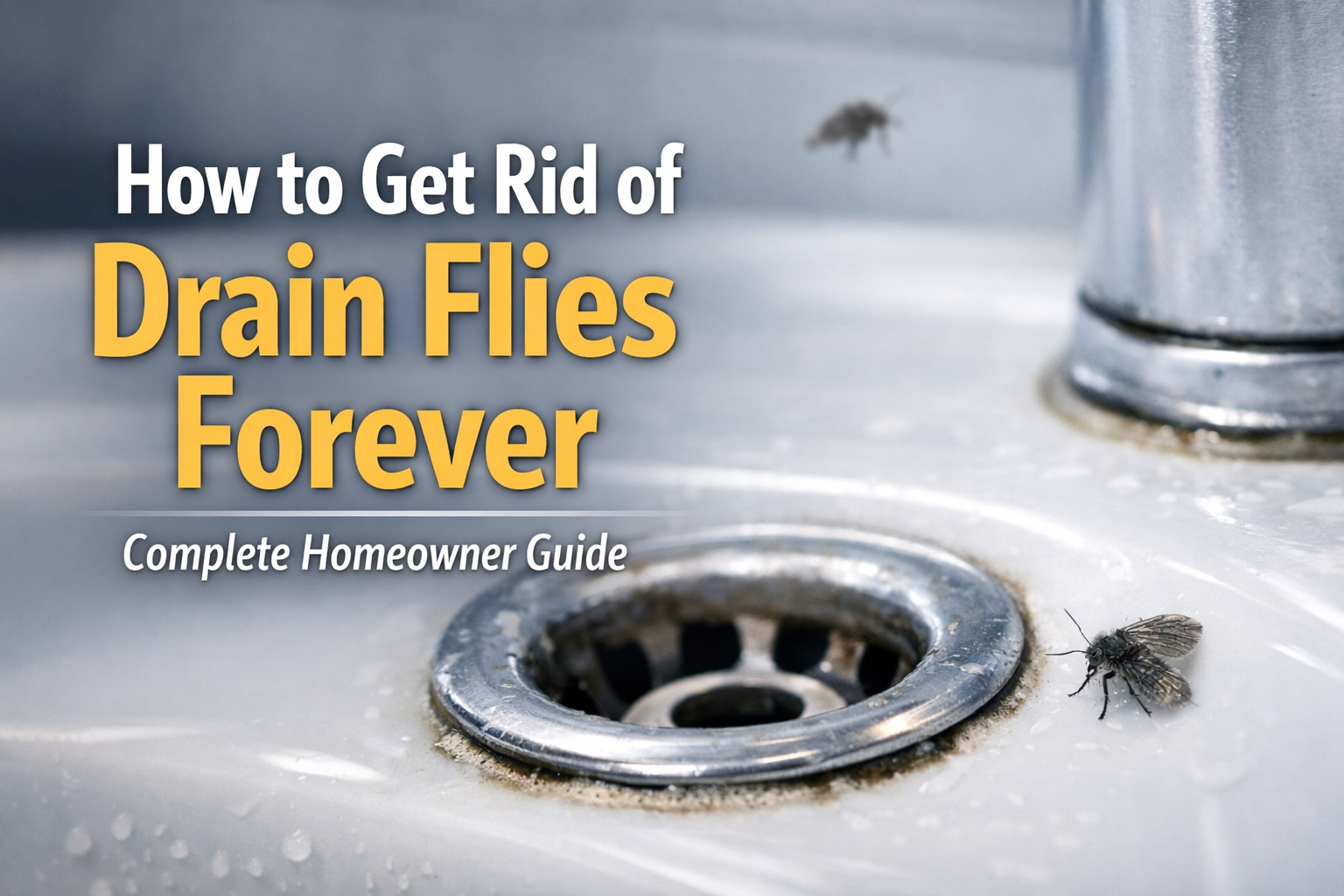
Drain flies are small, fuzzy insects that live and breed inside drains. They are also called sewer flies or moth flies. They are not strong fliers. Instead, they hop and flutter in short bursts.
Many homeowners confuse them with fruit flies. The key difference is location. If you see tiny black bugs in the bathroom or near floor drains, they are most likely drain flies.
They are attracted to organic sludge inside pipes. That sludge is made of:
- Soap residue
- Hair
- Grease
- Toothpaste
- Food waste
Drain flies are common in Australia, especially in humid areas. So if you are dealing with drain flies Australia homeowners often experience, you are not alone.
Why Do I Have Drain Flies?
Drain flies do not appear without reason. They are drawn to moisture and decaying material.
Here are the most common causes:
1. Organic Build-Up Inside Pipes
Over time, pipes collect grime. It sticks to the inner walls and creates a thick film. That film becomes the perfect breeding ground.
If your drains have never been cleaned deeply, this is usually the main reason.
2. Rarely Used Drains
Guest bathrooms. Floor drains. Laundry sinks.
When a drain is not used often, the water in the trap can evaporate. This allows flies to enter and lay eggs.
3. Hidden Plumbing Issues
A cracked pipe, slow drain, or partial blockage can trap debris. The more debris, the more breeding material.
If you also notice bad smells or slow drainage, the problem may be deeper than surface-level buildup.
Signs of a Drain Fly Infestation
It starts small. A few flies near the sink. Then suddenly you see more.
Common signs include:
- Flies resting on bathroom walls
- Increased activity at night
- Bugs near shower drains
- Small insects flying out when you run water
A simple test can confirm the source.
Place clear tape loosely over the drain opening overnight. Leave small gaps for air. If flies stick to the tape from below, the drain is the breeding spot.
Understanding the Drain Fly Life Cycle
To eliminate drain flies forever, you must understand their life cycle.
The drain fly life cycle usually lasts between 7 and 21 days.
- Eggs are laid inside the sludge in drains.
- Larvae feed on organic buildup.
- Pupae develop inside the drain.
- Adults emerge and begin the cycle again.
If you only kill adult flies, the eggs remain untouched. That is why sprays rarely solve the issue. You must remove the breeding material.
How to Get Rid of Drain Flies (Step-by-Step)
This method focuses on removing the source, not just the visible insects.
Step 1: Identify the Breeding Drain
Check all sinks, showers, and floor drains.
Use the tape test if needed. Treat every affected drain. Missing one can restart the problem.
Step 2: Physically Clean the Drain
This step is critical.
- Remove the drain cover
- Use a long, stiff drain brush
- Scrub the inside walls of the pipe
- Focus on the first 30–60 cm
You are not just flushing water. You are removing sludge.
You may not enjoy what comes out. That is normal.
Step 3: Apply a Bio-Enzyme Cleaner
After scrubbing, pour a bio-enzyme drain cleaner into the pipe.
These cleaners break down organic matter safely. They continue working overnight and help destroy larvae food sources.
Avoid relying only on bleach. Bleach kills some insects but does not remove thick buildup.
Step 4: Flush with Hot Water
The next morning, flush the drain with hot water.
Repeat the cleaning process for several days if the infestation is heavy.
Consistency is key.
Step 5: Fix Underlying Issues
If drain flies return, investigate further:
- Check for slow drains
- Inspect for leaks under sinks
- Consider a professional drain inspection
Recurring drain flies may signal a blocked drain or cracked pipe.
What Not to Do
Many people waste time on temporary fixes.
Avoid these mistakes:
- Spraying insecticide into drains
- Pouring random chemicals
- Ignoring slow drainage
- Covering drains without cleaning them
These methods may reduce visible flies but will not stop breeding.
How Long Does It Take to Eliminate Drain Flies?
If treated properly, you should see results within 7 to 14 days.
Remember the drain fly life cycle. Even after cleaning, some adults may appear briefly. That does not mean the method failed. It means the last generation is emerging.
Stay consistent with cleaning.
When to Call a Professional
DIY works in most cases. But sometimes, professional help is needed. Same Day Trades offers plumbing services Adelaide, Perth and Brisbane.
Call a licensed plumber if:
- Multiple drains are affected
- The smell from drains is strong
- Water drains slowly
- Flies keep returning after cleaning
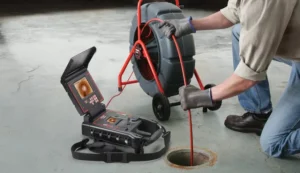
A plumber can perform a CCTV drain inspection to locate deeper problems.
How to Prevent Drain Flies Forever
Prevention is easier than treatment.
Follow these tips:
- Clean drains monthly
- Avoid pouring grease down sinks
- Run water in unused drains weekly
- Use drain strainers to catch hair
- Schedule regular plumbing maintenance
A clean drain does not attract drain flies.
Special Note for Australian Homes
Drain flies Australia homeowners deal with are often worse in warmer months. High humidity speeds up breeding.
In coastal and tropical areas, regular drain maintenance is even more important.
If you live in a humid climate, consider quarterly drain cleaning to prevent recurring infestations.
Final Thoughts
Drain flies are annoying but manageable.
The real solution is simple: remove the sludge, break the life cycle, and maintain clean drains.
Sprays kill insects. Cleaning removes the cause.
If you take action early, the problem stays small. If you ignore it, it grows.
A clean drain means a fly-free bathroom.
Frequently Asked Questions
1. Are drain flies harmful?
Drain flies do not bite or spread disease in most cases. They are mainly a hygiene nuisance.
2. Do drain flies go away on their own?
Rarely. If the breeding material remains, they continue reproducing.
3. Does boiling water kill drain flies?
Boiling water may kill some larvae but will not remove thick sludge inside pipes.
4. Why do drain flies keep coming back?
The breeding source has not been fully removed, or there is an underlying plumbing issue.
5. Can vinegar and baking soda remove drain flies?
This mixture can help reduce odours but is not strong enough to remove heavy buildup.
6. How long do drain flies live?
Adult drain flies usually live around two weeks.
7. What attracts drain flies?
Moisture and organic debris inside drains attract them.
8. Are drain flies common in Australia?
Yes. Warm temperatures and humidity make Australian homes more prone to infestations.
9. Can drain flies come from toilets?
It is rare but possible if there are sewage line issues or dried-out traps.
10. What is the fastest way to get rid of drain flies?
Physically scrubbing the drain and using a bio-enzyme cleaner is the most effective method.