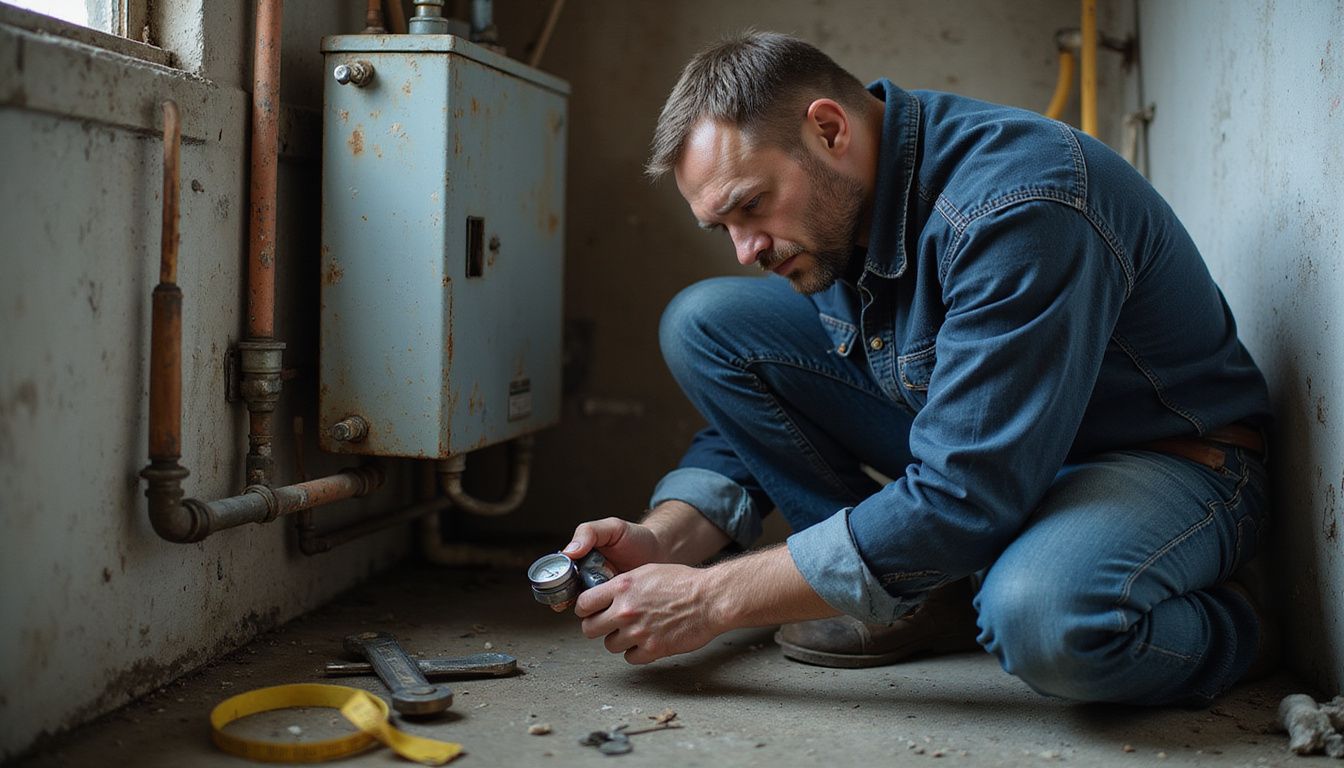
Struggling with hot water at home can quickly turn into a major headache — especially when you’re stuck with cold showers or unpredictable water temperatures.
Both gas and electric hot water systems can develop hidden faults over time, and many homeowners don’t realise there’s a problem until the unit fails completely.
In this guide, we’ll explain the most common issues affecting hot water heaters and show how a licensed hot water plumber can diagnose faults early — helping you avoid costly breakdowns, emergency repairs, and unexpected replacements.
Keep reading to learn how a professional hot water system plumber can keep your heater running safely and efficiently.
Common Problems in Gas Hot Water Systems
Gas hot water systems can act up suddenly, leaving you without warm water. Small issues often hide bigger problems that might damage your system.
Pilot light issues
A failing pilot light stops the burner from heating water. This leads to inconsistent or no hot water supply. Blockages in the gas line or weak ignition are common culprits. Dirty components can also interfere with proper lighting.
Fluctuating water temperatures often hint at pilot light issues. Licensed plumbers check for blockages, inspect gas flow, and clean parts as needed. Safety is top priority since dealing with gas requires precision and expertise to avoid hazards.
If your pilot light keeps going out, don’t wait until there’s no hot water!
Gas leaks
Gas leaks are hazardous and require immediate attention. They may appear as mould, damp areas, or corroded tanks close to your water heater. This can lead to discoloured water and potential health risks.
Older or poorly maintained gas hot water systems are more prone to these problems.
A licensed hot water system plumber inspects for leaks during routine checks or if efficiency decreases. Qualified plumbers use equipment to test gas pressure and flow safely. Always contact a professional; they adhere to strict safety standards set by regulatory organisations like plumbing associations.
Timely repairs save money on operational costs and help avoid significant dangers.
Next are burner malfunctions.
Burner malfunctions
Burner problems can leave you shivering in a lukewarm shower. A faulty burner often means uneven or low hot water supply, which no one enjoys. Blocked gas lines or ignition failures are common culprits behind these issues.
Strange sounds from the burner might signal trouble too, like popping or hissing noises.
Licensed plumbers check gas pressure and inspect pilot lights to find faults. If needed, they replace worn-out components like valves or ignition parts to restore efficiency. Acting fast on these issues saves money on repairs and prevents complete system breakdowns over time.
Next: Common Problems in Electric Hot Water Systems
Common Problems in Electric Hot Water Systems
Electric water heaters can face silent failures, leaving you without hot water when you least expect it. Weird noises or a sudden spike in energy bills might point to hidden issues needing quick attention.
Thermostat failure
Thermostat failure can leave you with lukewarm water or none at all. It often causes electric hot water systems to work harder, increasing energy bills. Faulty thermostats may fail in both storage and continuous systems, making professional diagnosis vital.
Licensed hot water plumbers use specialised tools to test the thermostat and check electrical connections. Sometimes, issues like off-peak switches or solar boosters mimic thermostat faults.
Regular servicing helps catch these problems early before they damage the entire system.
A bad thermostat doesn’t just waste energy; it wastes money too.
Heating element damage
Faulty heating elements often lead to uneven water temperature or no hot water at all. In hard water areas, these elements wear out faster due to mineral buildup. Regular tank flushing and replacing the anode rod can prevent this damage.
Without care, a damaged element may also spike energy consumption, hitting your wallet hard with higher running costs.
Testing involves checking for electrical resistance and continuity. Licensed plumbers or electricians handle this safely during repairs. If the element is beyond saving, they replace it as part of routine maintenance in electric hot water systems like Rheem units or heat pump water heaters.
It’s a common fix that helps maintain energy-efficient performance while avoiding complete system failure later down the track!
Electrical connection issues
Loose or damaged wiring can lead to sudden power loss in electric hot water systems. This might trip your circuit breaker, cutting off hot water when you least expect it. Regular inspections by a licensed plumber can catch these problems early and prevent emergency repairs.
Faulty connections may also impact solar boosters in solar hot water systems, interrupting heating processes. If the issue extends beyond simple fixes like resetting breakers or tightening wires, plumbers often involve electricians for safe repairs.
Ignoring electrical faults could cause complete system shutdowns or costly damage over time.
How Licensed Plumbers Diagnose Gas Hot Water System Faults
Plumbers rely on sharp eyes and smart tools to find gas system issues fast—learn how they fix problems before chaos strikes!
Visual inspections and gas pressure testing
Licensed plumbers use visual inspections and gas pressure testing to spot issues early. These methods help prevent costly failures in your gas hot water system.
- They check for leaks. Leaks can cause water damage, rust, or mould. This inspection also helps find damp patches around the tank or pipes.
- Signs of corrosion are noted. Rusted tanks can crack over time, leading to more severe problems like water wastage or leakage.
- Pressure relief valves are inspected. Faulty valves may fail to release excess pressure, posing safety risks.
- Gas flow is tested with pressure gauges. Poor gas flow affects burner performance or pilot light ignition.
- Tempering valves are checked visually. A faulty valve may lead to temperature control problems, causing water that’s too hot or cold.
A regular inspection like this keeps your system working better for longer while reducing energy consumption and avoiding bigger troubles later!
Identifying gas flow or ignition problems
Gas flow or ignition issues can make your gas hot water system unreliable. A plumber diagnoses these problems quickly to prevent bigger faults.
- Plumbers test gas lines for clogs or leaks. Blocked lines can stop the burner or pilot light from working.
- They use tools to check the ignition system. This helps find faults with spark or flame detection.
- Gas flow is measured carefully. The system must get enough gas to heat water at its rated capacity, like 12–32L per minute.
- Fluctuating water temperature often points to poor gas supply or faulty ignition.
- Routine inspections include checking connections and pressures. These steps lower the risk of sudden failure and costly repairs.
- Burners are closely examined for wear or dirt buildup, which can affect performance.
- System age and usage are factored in during assessments, helping predict future failures before they happen.
How Licensed Plumbers Diagnose Electric Hot Water System Faults
They test every wire, thermostat, and heating element like detectives hunting clues—catching the problem before your morning shower turns icy!
Checking electrical circuits and connections
Licensed hot water plumbers carefully check electrical circuits and connections to find problems. This step ensures the system runs safely and delivers hot water without fail.
- Plumbers inspect wiring for visible damage or wear, which can cause dangerous faults or power loss. Old systems are more at risk of frayed wires after years of use.
- Circuit breakers are a common troubleshooting point. A tripped breaker can stop power flow to your electric hot water system, resulting in no hot water.
- Multimeter tests measure voltage and ensure proper electrical flow to the heater. Low or no voltage may signal an issue with connections or the circuit board.
- A loose or corroded connection can interrupt performance and must be secured or replaced. Corrosion often forms in older systems or after exposure to moisture.
- Licensed plumbers review off-peak switches and solar boosters during their checks. These devices help conserve energy but can develop faults over time.
- Electrical components like thermostats and heating elements also rely on stable connections to work correctly. Faulty links here might mean inconsistent water heating.
- Some plumbers inspect for signs of past power surges, as these can damage the system’s electrical parts long-term if left unchecked.
- Regular testing and inspections catch minor issues before they worsen into costly failures, saving you from full heater replacements down the track.
Testing thermostats and heating elements
Testing thermostats and heating elements is a key step in diagnosing electric hot water system faults. These parts can affect water temperature and energy use significantly.
- Thermostats are checked for correct temperature settings. If the water is too cool or cold, the thermostat may need repair or replacement.
- Testing involves checking continuity. This ensures the thermostat is working and able to control heat properly.
- Faulty thermostats often increase energy costs. For example, continuous electric storage systems can cost $1,022.84 per year to run if faults exist.
- Heating elements are tested for resistance using a multimeter. A damaged element will show no resistance or incorrect readings.
- Broken elements lead to no hot water at all. Replacement parts are usually easy to source from standard suppliers, like those made by Stiebel Eltron.
- Proper testing follows safety guidelines set by manufacturers. These steps reduce risk while keeping systems in working order.
A thorough inspection of circuits and other components comes next.
Conclusion
Hot water problems may start small, but they can quickly turn into expensive repairs or a complete system breakdown if left unchecked.
Whether you have a gas or electric hot water heater, warning signs like fluctuating temperatures, strange noises, or sudden loss of hot water should never be ignored.
A licensed hot water system plumber can diagnose the issue early, prevent further damage, and restore safe, reliable hot water before it becomes an emergency.
If you’re experiencing hot water troubles at home, don’t wait for your system to fail completely. Same Day Trades offers professional hot water plumber services across Adelaide, Perth, and Brisbane. Call us today to book a trusted local expert and get your hot water back on — fast, safe, and hassle-free.
FAQs
What common problems can occur with gas and electric hot water systems?
Gas storage systems may face issues like pilot light failure or gas supply blockages. Electric hot water heaters often struggle with faulty thermostats, heating elements, or power supply disruptions.
How does a licensed hot water plumber diagnose faults in a system?
A skilled plumber checks for visible signs of wear, tests key components like thermostats and heating elements, and inspects electrical or gas connections to identify potential failures before the system breaks down completely.
Are instantaneous water heaters better than traditional systems?
Instantaneous hot water heaters provide hot water on demand without storing it, which can improve energy efficiency compared to older gas storage systems. However, the best option depends on your household size, usage, and installation needs.
Can adding solar panels help conserve energy with my current system?
Yes, pairing solar panels with your hot water system can reduce electricity usage, lower running costs, and improve energy efficiency over time while also supporting a more environmentally friendly home setup.