
Air Conditioning Morangup
Morangup sits on the far Toodyay side of the Perth Hills, a remote rural-residential locality of forest and granite-country lifestyle blocks bordering the Avon Valley. Same Day Trades covers the full range for these bush acreages: ducted reverse-cycle installation, split system fit-outs, seasonal servicing and repairs. Our licensed Perth technicians size cooling for spread-out homestead floorplans, plan runs along long unsealed driveways, and keep systems steady through hot dry summers and the deep cold that settles over the forest at night, on blocks running their own solar, generator or tank supply.
Book a site visit for clear sizing advice matched to your block, homestead and power setup. Call Same Day Trades on 1300 632 094 for same day air conditioning across Morangup and the Avon Valley edge.
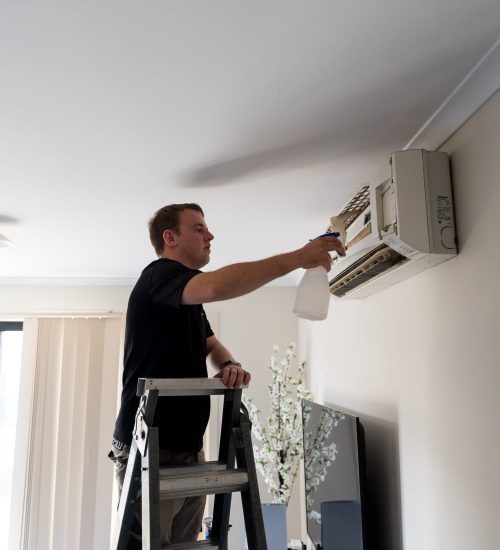
Same Day Trades Air Conditioning in Morangup
Cooling a Morangup block is a world away from a standard suburban job. A homestead set deep among the trees, with long duct runs, high ceilings and separate wings, needs cool air to carry a fair distance across the floor without fading. We plan each layout around how a bush household actually lives, holding the main living, bedroom and home-office zones comfortable while sheds, studios and outbuildings scattered across the acreage take their own approach.
Same Day Trades works right across the far hills and the wider metro, and our full Perth air conditioning team brings installation, servicing and repairs under one roof. The crew that sizes and fits your system is the same one you call for a tune-up or a fault before the next hot spell arrives.
Air Conditioning for Morangup’s Forest and Granite Lifestyle Blocks
Morangup lies on the far Toodyay side of the Perth Hills, a scattered rural-residential locality where big lifestyle blocks of jarrah forest and granite outcrop run down toward the Avon Valley. The homes here are lived-in bush acreages measured in hectares, and cooling one shares almost nothing with a job on a tight suburban lot closer to town.
Our team works this far forest country often and knows how a bush property behaves once a dry easterly pushes the heat up. A rambling older homestead or a newer rendered build each asks for its own plan, so we match the system to the block, the tree cover and the way a quiet acreage household actually lives from morning through the heat of the afternoon.
What the Long Toodyay-Side Drive Means for a Callout
A trade van only reaches Morangup after a solid run out past Gidgegannup toward Toodyay, and that distance shapes every stage from the first quote to a later service. A household this far out will not sit through days of waiting while the house bakes, so dependability matters far more here than plain convenience.
We set up each visit to make the journey worthwhile, turning up stocked with the tools, parts and detail to finish on the day rather than book a return. Because a second trip means another long haul out along the valley roads, our whole method rests on nailing the diagnosis and the fix on the first attempt.
Ducted Cooling for a Homestead Set Deep in the Bush
A homestead that spreads low across a granite shelf, or steps up to two storeys with a wide entertaining wing, holds an even temperature best from a ducted setup rather than a wall head bolted into every room. The machinery tucks into the roof cavity while discreet ceiling vents feed conditioned air across the whole floor.
Our ducted reverse-cycle installation opens with a room-by-room heat load assessment, so the unit answers the real glazing, ceiling height and aspect of the house. We scale capacity to reach a far bedroom at the end of a long passage as surely as the central living, routing the ducts so every outlet earns its keep across a broad plan.
Splits for Studios, Quarters and Outbuildings
Past the main house, a good number of these acreages carry a second dwelling somewhere on the block. A self-contained studio, a granny flat or a home office beside the shed often stays occupied all year, and each sits a fair way from the main roof where stretching the ductwork makes little sense.
A split system suits these spaces well, one outdoor condenser feeding an indoor head on independent controls without disturbing the homestead ducting. We size every head to its room and aspect, so a studio copping the full afternoon glare stays settled while a shaded office needs only a modest unit to hold an even temperature through the day.
Cooling a Big Shed or Bush Workshop
Almost every Morangup block carries a large shed, and a good few double as a workshop, a machinery store or a hobby space where owners spend real hours. Under an iron roof with little insulation, a shed like this turns fierce through summer and stays uncomfortable well into the evening long after the sun drops.
A well-chosen split brings a work bay or a shed office down to a workable temperature without trying to cool the whole cavernous structure. We weigh the roof, the wall build and the sun load, then size a unit that suits the corner in genuine use rather than fighting a losing battle across the entire floor. Where a shed doubles as a home business or a hobby workshop kept comfortable through the day, we can add its own controls so it runs apart from the house.
Long Unsealed Driveways and Remote Outdoor-Unit Runs
Homes out here often sit hundreds of metres back from the road, reached by a long unsealed driveway winding through the trees. That layout puts the house well away from the boundary and can leave the ideal spot for an outdoor condenser a fair distance from the indoor units it serves.
We plan the pipe and cable runs to suit the real site, keeping line lengths within sensible limits so the system loses none of its punch. Where the ground is rock or the run is long, we route it carefully and set the outdoor gear on solid footing clear of the worst dust the driveway throws up. On a block this far off the road we would rather spend the time getting the placement right at the start than chase a pressure fault or a lagging room once the fit-out is closed up.
Bushfire Asset Protection and a House You Can Seal
The forest and granite country around Morangup carries a genuine fire risk every summer, and a bush household needs a home it can shut up tight and hold cool on the worst days. A system chosen with fire season in mind is part of being ready well before the hot spell lands.
We set outdoor units within the cleared asset-protection zone around the house rather than against unmanaged scrub, and we can configure a system to recirculate indoor air instead of drawing the smoky outside in. We also show owners how to wash or change filters through a heavy burn, since ash loads them faster than ordinary dust.
Running Cooling on Solar, Battery and Generator Power
Many Morangup blocks lean off-grid, drawing on rooftop solar, battery storage or a standby generator where the mains supply is thin or absent. Air conditioning is a heavy load on any of those, so the design has to sit inside what the household power system can genuinely carry across a hot afternoon.
We size efficient reverse-cycle gear and lean on disciplined zoning so a home keeps its living quarters cool without flattening a battery bank or straining the genset at the wrong moment. Where solar covers the daytime peak, we set the system to make the most of it while the sun is high and the panels are working hard. A modern inverter unit ramps its draw up and down with the load instead of slamming the supply, which suits a household weighing every amp against what the roof and the batteries can deliver.
Off-Mains Living on Tank and Bore Water
Barely any Morangup home draws mains water. Rainwater tanks and bores feed the house, the garden and any stock, and that off-mains routine governs how a property runs day to day. Cooling has to sit alongside pumps and tanks that already claim their share of the block’s power.
Reverse-cycle equipment cools without any plumbing, so tank levels never enter the picture, though the electrical pull of a big system can rival a bore pump wired to the same board. We weigh that at the design stage, choosing efficient units and careful zoning that keep the cooling clear of the pump demand.
Forest Dust and Granite-Country Grit on the Coils
Fine dust hangs about the dry paddocks and gravel tracks right through the warm months, and pollen and leaf litter from the surrounding bush add their own load around a house set among the trees. All of it packs into condenser fins and indoor filters far quicker than a town unit ever meets.
We site the outdoor gear well clear of the dustiest tracks and lift it above ground that turns to powder by late summer, then keep the filters cleaned so air travels freely through the coil. On a block where dust and litter linger from spring into autumn, a clean coil holds efficiency and saves the unit burning extra current.
Zoning a Spread-Out Bush Homestead
A bush household rarely wants every corner of a big home cool at once, so we divide the house into zones that run on their own. The living wing, the sleeping quarters and the home office each stand as a separate area, taking conditioned air only for the hours somebody is genuinely there.
Zoning also spares a large compressor a stack of pointless work. Instead of forcing air through every vent in the fiercest part of the afternoon, the system drives one or two zones hard and rests the others, trimming the running cost across a broad floor and stopping an empty guest room fighting an occupied bedroom over one setting.
Warmth for Deep-Forest and Valley Cold Nights
Nights turn sharply cold in the forest, and frost lies white across the clearings through the depth of winter as the cold air settles off the ranges into the valley. Portable heaters dragged from room to room hardly touch a large homestead and chew through power in the attempt.
Reverse-cycle does double duty here, warming the home far more cheaply once the cold arrives, a real gain on a block with no mains gas to lean on. We tune it so a frost-hard dawn brings the living quarters up quickly, then holds an even warmth as the household stirs and the day starts.
Sizing for Hot Dry Avon-Valley Summers
Sizing decides whether a bush install performs or lets the household down. Go too small and the unit strains all afternoon without ever conquering the valley heat; go too large and it short-cycles, wastes power and leaves the rooms clammy. A homestead with broad glazing and lofty ceilings wants capacity matched to its true load.
We run a full heat load assessment weighing insulation, glass, ceiling height and the way each wall faces, since the forest throws one elevation into shade while the next cops the full afternoon glare. What comes back is a system that holds temperature through the driest Avon-Valley day, with nothing spent on capacity the home will never draw and nothing left short when the easterly really bites.
Servicing Every Unit in One Remote Trip
An acreage system toils from early spring right through autumn, and a seasonal check keeps it dependable when the forest country bakes. We rinse the filters, check the refrigerant charge, go over the wiring and flush the condensate drain before the peak lands, guarding a costly ducted unit against an avoidable failure.
Because the drive out is long, our seasonal air conditioning tune-up is planned as one thorough visit taking in every unit on the block, from the main homestead ducting to the splits in a studio or shed office. Handling the lot in a single trip spares a household chasing separate call-outs across the season.
Why Morangup Locals Call Same Day Trades
A remote bush breakdown grants no mercy, and a big homestead sheds its cool fast once the air conditioner stops. Same Day Trades answers faults across the far hills and carries common parts on the van, so a great many jobs are traced and mended within the one visit. Our air conditioner repair service covers ducted and split units alike.
Locals stay with our team because we grasp bush acreage life rather than treat a homestead like a city semi. We size for spread-out floorplans, run cabling along long unsealed drives and set systems to sit beside solar, generators and tank water. Backed by 2000+ reviews, one crew sees the work through from the first site visit to the final handover.
Frequently Asked Questions
We plan each trip so the visit pays, arriving with the tools, parts and detail to finish rather than book a return. Because a second run means another long haul out past Gidgegannup, we work to get the diagnosis and repair right first time, and we still run same day jobs across the far hills.
Yes. A well-chosen split brings a work bay or a shed office to a workable temperature without trying to cool the whole cavernous structure. We weigh the iron roof, the wall build and the sun load, then size a unit for the corner actually in use rather than the entire floor.
It can, though cooling is a heavy load on any off-grid supply. We size efficient reverse-cycle gear and use disciplined zoning so a home holds its living quarters cool without flattening a battery bank or straining a generator. Where solar covers the daytime peak, we set the system to make the most of it.
Reverse-cycle air conditioning cools without any plumbing, so tank levels never come into it. The point to watch is electrical draw, since a big unit shares the board with a bore pump. We choose efficient gear and careful zoning so the cooling and the water supply never contend for capacity.
We plan pipe and cable runs to suit the real site, keeping line lengths sensible so the system keeps its punch even when the house sits well back from the road. Where the ground is rock, we route the run carefully and set the outdoor gear on solid footing clear of driveway dust.
Yes. We site outdoor units within the cleared asset-protection zone rather than against scrub, and we can set a system to recirculate indoor air instead of drawing the smoky outside in. We also show owners how to wash or change filters through a heavy burn, since ash loads them faster than dust.
Reverse-cycle does double duty, warming the homestead far more cheaply than portable heaters that barely register in a house this size. With no mains gas on the block it becomes the main source of warmth. We set it so a frost-hard morning brings the living quarters up fast, then holds a steady heat.
Dry paddocks and gravel tracks lift fine dust through the warm months, while bush pollen and leaf litter add more around the house. We set outdoor units back from the busiest tracks and above powdery ground, then keep filters cleaned so air keeps moving strongly even at the height of summer.
Yes, and out here it makes real sense. Because the drive is long, we plan a single thorough visit covering the main homestead ducting plus any splits in a studio or shed office. We wash filters, check the charge, test the wiring and clear the drain, so the whole block is set before summer.
We run a full heat load assessment weighing insulation, glazing, ceiling height and the way each wall faces, since the forest throws one elevation into shade while the next takes full afternoon sun. The result is a system matched to the genuine load of the house, not a figure from floor area alone.
Nearby Suburbs We Also Service
Our Perth air conditioning team also covers the suburbs around Morangup, so if you are close by there is a good chance one of our technicians is already working nearby.
Gidgegannup, Stoneville, Parkerville, Mount Helena, Sawyers Valley, Glen Forrest, Hovea, Mahogany Creek.
Morangup WA 6083 Service Area
Same Day Trades services Morangup 6083 and all surrounding suburbs across Perth.


