
Air Conditioning Australind
Australind spreads along the Leschenault Estuary, where established older homes near the old townsite sit beside new estates pushing out toward the water. Our licensed technicians install, service and repair the full range here, ducted reverse-cycle for the newer builds and split systems for the character homes. The humid estuary air and hot regional summers put real load on a system, so our team sizes and fits each one to suit the home, keeping every room comfortable through summer and the cool winter mornings.
Ready to book, or after honest advice on the right system for your place? Call our Australind team today on 1300 632 094 for fast same day help.
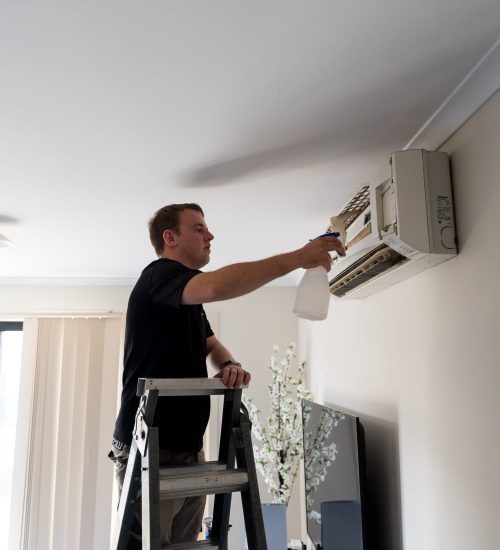
Same Day Trades Air Conditioning in Australind
Australind homes cover a wide spread, from older weatherboard and brick places near the original townsite to open-plan builds in the newer estates off Old Coast Road. Each handles the estuary climate differently, and each needs a system matched to its layout, insulation and orientation. Our team assesses the home first, then recommends the setup that will actually hold its temperature through the seasons.
From full ducted retrofits to single splits and urgent breakdowns, our technicians cover the full sweep of Perth air conditioning work across the town. Whether estuary humidity is the problem or a west-facing living area that bakes all afternoon, we set systems up to perform through a genuine regional summer and hold their own on cold winter mornings.
Cooling and heating tuned to the Leschenault coast
Australind hugs the Leschenault Estuary in the Greater Bunbury region, a fair stretch south of the city and a climate all its own. Our technicians install, service and repair ducted and split reverse-cycle systems from the historic townsite through to the newest Treendale streets. Every job earns careful airflow planning and neat, compliant workmanship that copes with genuine coastal conditions.
Two things shape the local brief. Estuary moisture hangs in the air on calm nights, while long regional summers hammer any room facing the afternoon sun. We match the house to the system, be it a whole-home ducted plan for a Treendale build or one tidy split for a weatherboard cottage. The starting point is always how your family actually lives, room by room.
Ducted or split for a Treendale or townsite home
Whole-home ducted reverse-cycle suits the larger Treendale-estate houses, holding every room at one steady temperature from a single system. Slim vents sit in the ceiling, the controller stays on a wall, and the condenser tucks beside the block. Growing families with several bedrooms and open living zones tend to land here, since one setup covers the lot without fuss.
A split earns its place where only a space or two needs conditioning, such as a main bedroom, a study or a converted sunroom. Running one zone costs less, and the fit wraps up faster. Plenty of Australind households blend the two approaches, ducted across the shared living areas and a compact split serving a far bedroom or a self-contained retreat.
Working out the right capacity for each room
Capacity decides whether a system ever feels right. Go too small and the unit labours through a scorching regional afternoon without ever catching up. Go too large and it short-cycles, burns power and leaves the air damp. Our technicians work the load from ceiling height, glazing, insulation and the way each home sits against the estuary breeze and western sun.
Homes from the 1980s and 90s near the townsite carry high ceilings, generous windows and thin wall insulation, all lifting the figure a modern build would need. Guesswork has no place here, so we measure every room and weigh the fierce afternoon glare that strikes streets near the water. Right-sized gear runs softer, costs less and holds temperature across both seasons.
A clean fit that holds up for years
A careful install decides whether a system serves fifteen years or nags from the start. We manage the whole of air conditioning installation, seating the outdoor condenser on a firm, breezy base, running lagged pipework and sealing every duct join so cooled air never bleeds into the roof. Wiring meets standard and gets left tidy and safe.
Scheduling stays simple. A back-to-back split generally lands inside a day, while a full ducted retrofit across a bigger Australind home usually spans one to two, shaped by roof access and layout. We cover flooring, sweep up properly and run you through the controller before packing down, leaving the system live and ready for that first warm afternoon.
Zoned ducted comfort across the Treendale estates
Treendale and the newer pockets south of the estuary were drawn up for ducted reverse-cycle from the outset. Open living, several bedrooms and broad glazing all favour a zoned ducted system that keeps one even temperature across the plan. We set the duct paths, return-air position and vent placement while the build still allows the neatest, most hidden run through the roof space.
Zoning is where these estate homes pull ahead. Cool the living wing by day and the sleeping wing overnight, and you only spend on the rooms in use. For a fresh Treendale build with soaring ceilings and a west-facing lounge, that command keeps the meter sensible while still shrugging off the peak of a coastal summer.
High-wall and multi-head splits for the older streets
Near the original townsite, a well-placed split often beats a full ducted plan. Threading ductwork through a solid brick or weatherboard cottage is not always sensible, so a high-wall head delivers strong cooling and heating where it counts without upheaval. Placement drives the result, and we choose the spot from room shape, furniture and where the household actually gathers.
Multi-head splits shine where ducting will not go yet more than one room needs covering. One outdoor unit can drive several indoor heads, each on its own controller. That layout serves rear extensions, sleepouts and renovated Australind cottages already short on roof room. We lay clean pipework down the exterior wall and match the outdoor unit to the combined demand.
Coastal service schedules that keep systems honest
A yearly air conditioning service holds efficiency high and stops faults before they strand you. Each visit we wash or swap filters, read the refrigerant charge, test the electrics, flush the condensate drain and study the outdoor coil. Along the estuary shore, salt haze and grit gather on outdoor units quicker than owners expect, so the annual look-over earns its keep.
Spring is the moment to book, before the season’s first heat spell piles pressure on the machine. A skipped service means harder running, steeper bills and a shorter life. Spotting a tired capacitor or a choked drain early beats a frantic January callout by a mile. Booking ahead also clears the summer crush that hits every crew across the region.
Fast breakdown callouts across Greater Bunbury
When a unit dies on the year’s hottest day, quick air conditioning repair changes everything. Our technicians trace the real fault rather than swapping parts on a hunch, whether the system blows warm, trips the breaker, weeps water or will not fire. The vans carry the usual spares, so a solid share of jobs close out in one visit.
Same day attention reaches Australind, Treendale and the broader Greater Bunbury towns when the weather turns savage. We spell out what failed, what the fix involves and whether repair or replacement stacks up on an older unit. Straight talk, no scare tactics, just a clear call and cold air flowing again. Either way you leave with an honest recommendation.
Warming damp estuary mornings in winter
Winter this far south stays gentle by day, yet the mornings sting and estuary-side homes turn damp and cold deep into July. Reverse-cycle systems flip to heating, drawing warmth from the outside air even on a frosty start. One machine carries both seasons, which is why reverse-cycle has retired the old gas boxes and bar heaters right across town.
A ducted reverse-cycle plan spreads warmth through the whole house, lifting the chill from tiled floors and roomy living zones that cling to the cold. Since heat pumps shift warmth instead of burning fuel, the running cost stays fair. Dial in a comfortable setting, let it hold, and the clammy estuary dawns quit bothering the household for good.
Pulling the muggy edge off summer nights
The Leschenault Inlet loads the air with moisture, and on still, sticky evenings a system that only chills without taming humidity leaves a room feeling clammy. A properly sized reverse-cycle unit wrings dampness out as it cools, so the space reads genuinely comfortable rather than merely cold. Sizing and setup settle this, and it ranks among the most frequent local gripes we clear.
An oversized head makes the muggy problem worse, chilling fast then cutting out before it can strip enough water from the air. That is exactly why we size to the room instead of fitting the biggest unit on the shelf. Nail the capacity and the fan settings and your living areas stay dry and easy on the stickiest inlet nights.
Guarding condensers against Leschenault salt
Coastal and estuary air carries salt, and salt chews through outdoor coils, fins and fittings as the years pass. Units within reach of the Leschenault waterfront weather faster than those sitting inland, so they gain from routine cleaning and, where it fits, a protective coil coating. Left alone, salt corrosion bites into a condenser and cuts its working life short.
Smart placement helps from the first day. We site the outdoor condenser where air moves freely yet the unit dodges the worst salt spray, and we suggest a wash-down inside each annual service for homes near the shore. Our technicians build the coastal setting into both the install and the service plan, so waterfront systems reach their full span.
Keeping running costs low on a regional bill
Running efficiency is where the right system and honest sizing repay you every summer. A modern inverter eases its compressor up and down to keep a set point rather than slamming on and off, drawing markedly less power. Read the star rating, but weigh whether the unit actually suits the room, since an oversized machine wastes energy whatever its label claims.
Habits count as well. Hold the thermostat near 24 degrees through summer, keep filters clean, draw blinds on west glass through the afternoon peak, and zone a ducted system so only occupied rooms draw power. Decent roof insulation in those older Australind homes eases the load noticeably. A handful of small moves stacks up on every quarterly bill.
The faults our technicians strike most often
A short list of faults recurs across local systems. Refrigerant leaks leave a unit puffing warm, a spent capacitor blocks the compressor start, clogged drains drip water indoors, and grimy coils steal capacity. Estuary salt and dust around Australind speed the wear on outdoor units left unserviced for years. None of it catches our technicians off guard.
Odd noises, thin airflow, a system tripping the safety switch or one grinding on without cooling all flag trouble worth an early look. Ignore them and a minor repair swells into a major one. A brisk diagnostic pins the root cause, and we tell you plainly whether the mend is worth it on a tired machine. Acting early saves real money.
Filter care and airflow through a coastal summer
Filters top the list of neglected parts in any air conditioner. A choked filter strangles airflow, drives the system harder and drops the indoor air quality. Cleaning stays easy: slide the filter out, rinse it in warm water, dry it fully and refit. On a system grinding through a coastal summer, monthly attention makes a sensible routine.
Airflow rides on more than the filter, though. Clear vents and a clean return-air grille matter too, since furniture over a vent or dust packing a grille starves the unit and breeds hot and cold pockets. During a service we trace the whole airflow path, so the system breathes freely and pushes its rated output into every room.
Why Australind and Treendale locals book us
Local know-how tells. We cover Australind, Treendale and the neighbouring Greater Bunbury towns week in, week out, so the housing stock, the roof styles and the way streets face the sun and the estuary are familiar ground. That grounding brings sharper advice, tidier installs and quicker diagnostics than a crew meeting the town cold. Every job gains from it.
Backed by 2000+ reviews, our team arrives on time, quotes in plain figures and leaves the site spotless. Whether the need is one split, a full ducted retrofit or an urgent fix, licensed tradespeople who stand behind their work handle it. Phone our Australind team when the time suits and we will sort it properly.
Frequently Asked Questions
Yes. Our technicians cover Australind, Treendale and the wider Greater Bunbury towns as part of our regular run, so a local job is no trouble at all. Whether it is a fresh install, an annual service or an urgent breakdown, we reach the estuary side without treating it as an out-of-the-way call. Phone the team and we will book you in.
It can, noticeably. Salt drifting off the Leschenault waterfront corrodes outdoor coils, fins and fittings quicker than inland air does. Homes near the shore benefit from routine cleaning, sensible placement away from direct spray and, where it suits, a protective coil coating. We fold the coastal setting into both the install and each yearly service to stretch the unit’s life.
A zoned ducted reverse-cycle system usually fits a new Treendale build best. Open-plan living, several bedrooms and wide glazing all favour one setup holding an even temperature across the floor plan. Zoning lets you cool the living wing by day and the bedrooms overnight, so you only power the rooms in use and keep the summer bill in check.
High-wall splits are the practical answer. Running ducts through a solid brick or weatherboard cottage near the townsite is rarely worth the disruption, so a well-placed head delivers strong cooling and winter warmth in the rooms that matter. Where several spaces need covering, a multi-head split feeds a few indoor units from one outdoor unit without any roof work.
Usually the unit is oversized or poorly set up. A head that is too big chills the air fast then switches off before it can pull enough moisture out, leaving the room cold and clammy. A correctly sized reverse-cycle system dehumidifies as it cools. We size to the actual room and set the fan properly so damp estuary nights stay comfortable.
Spring is ideal, before the first real heat spell of the season loads the system. A yearly service covers filters, refrigerant charge, the electrics, the condensate drain and the outdoor coil. Booking early also beats the summer rush that hits every crew across the region, so you are not left waiting when the hot weather finally lands.
Yes, that is the strength of reverse-cycle. One system cools through the long regional summer and flips to efficient heating for the sharp winter mornings that leave estuary-side homes damp and cold. Because a heat pump moves warmth rather than burning fuel, the running cost stays fair. It replaces separate cooling and heating gear with a single tidy unit.
It comes down to a proper load calculation, not a rule of thumb. Older townsite homes carry high ceilings, big windows and light wall insulation, all lifting the capacity needed. Our technicians measure each room and weigh the western sun and the estuary aspect before recommending a size. Right-sized gear cools evenly, runs quieter and keeps the power draw sensible.
On a brutal day we aim to reach you the same day across Australind, Treendale and the surrounding Greater Bunbury area. Our vans carry the common spares, so a good share of breakdowns are sorted in a single visit. We explain the fault plainly and say whether a repair or a full replacement makes better sense on the unit.
A few simple moves help. Hold the thermostat near 24 degrees in summer, keep the filters clean, draw blinds over west-facing glass through the afternoon peak and zone a ducted system so only occupied rooms draw power. Decent roof insulation eases the load too. Small, steady habits like these trim the running cost across every quarterly bill.
Nearby Suburbs We Also Service
Our Perth air conditioning team also covers the suburbs around Australind, so if you are close by there is a good chance one of our technicians is already working nearby.
Leschenault, Binningup, Wellesley, Eaton, Millbridge, Dalyellup, South Bunbury, Carey Park.
Australind WA 6233 Service Area
Same Day Trades services Australind 6233 and all surrounding suburbs across Perth.


