
Air Conditioning Hope Valley
Hope Valley is a small semi-rural pocket wedged between Kwinana and Cockburn, where market gardens, small holdings and rural-residential blocks share the streets with workshops and small-business premises. Same Day Trades cools this industrial-buffer suburb across the board, from wide single-storey homes and their outbuildings to work sheds and packing rooms that run hot all summer. Our licensed Perth technicians size systems for larger blocks, zone the rooms a household actually uses, and choose gear built to shrug off the dust and salt that drift across this working corner of the south.
Call Same Day Trades on 1300 632 094 for fast air conditioning across Hope Valley and the wider Kwinana corridor. We book installation, servicing and repairs for homes, sheds and small-business premises, often the same day you phone.
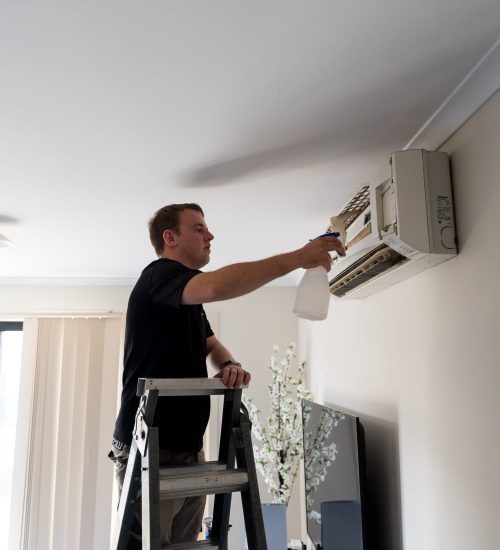
Same Day Trades Air Conditioning in Hope Valley
Cooling a Hope Valley property is rarely a standard suburban job. Homes sit on larger blocks with long duct runs and separate wings, while sheds, workshops and packing rooms carry their own heat load off steel walls and open doors. We plan each setup around how the place is actually used, so living areas and work spaces both hold a workable temperature without wasting output on rooms nobody occupies through the middle of the day.
Same Day Trades works right across the southern corridor, and our full Perth air conditioning team brings installation, servicing and repair under one roof. The crew who size and fit your system on a Hope Valley block is the same one you call when it needs a tune-up or a fault sorted fast.
Air Conditioning Across Hope Valley’s Small Holdings
Hope Valley is a small semi-rural suburb tucked between Kwinana and Cockburn, a long-established rural pocket surrounded by industry. Market gardens, small holdings and rural-residential blocks sit alongside workshops and small-business yards, so the cooling work here spans homes, sheds and commercial premises in equal measure. Same Day Trades covers all of it, matching systems to how each building is built and used through a long inland summer.
A house on a wide block and a working shed next door are different jobs, and we treat them that way. Our team assesses how each building takes on heat through the day, the dust and salt it carries, and the hours worked inside, then recommends cooling built to suit. Getting the specification right on a mixed rural block matters far more than any quick phone quote could.
Cooling Semi-Rural Homes on Larger Blocks
Homes across Hope Valley tend to sprawl low and wide on generous blocks, throwing a large spread of roof and wall at the afternoon sun. A unit picked off a showroom floor rarely matches that load. We work through room volumes, window aspect, ceiling height and insulation before quoting, so the capacity fits the house rather than an average suburban lot. The sizing follows the build, not a rule of thumb.
These properties often sit well back from the road behind a stand of gums, with living areas and bedrooms a fair walk apart under one roof. We size for the full spread of the building, not just the central rooms, so the far bedroom cools as fast as the lounge. Even cooling across every wing is the whole point on a home this wide.
Systems for Market-Garden Properties and Packing Sheds
Hope Valley still carries market gardens and small growing operations, and those properties come with packing sheds, work areas and rooms that need steady conditions through the picking season. A packing shed heats up fast under a steel roof, and staff sorting produce need a workable temperature to keep moving. We match cooling to the space and the hours it runs rather than a generic figure.
We size these systems for the metal skin, the roof height and the doors that open all day, all of which pull far more heat than a standard insulated room of the same footprint. A high-output split or a small ducted arrangement keeps a packing area even rather than cold at one end and warm at the other, so the work carries on through summer.
Splits for Workshops and Sheds
Sheds and workshops define a lot of Hope Valley blocks, and steel buildings turn into ovens through summer. A split system makes a workshop usable in January, whether you run a small business, a hobby setup or storage that needs stable temperatures. We size for the metal walls and roof height, which soak up more heat than a lined room of the same size.
Outbuildings often sit some distance from the house, so power supply and unit placement need planning before anything goes in. We check the existing circuit, cable run and switchboard capacity first. For a larger workshop, a single high-output split or a multi-head arrangement keeps the whole space even, giving the shed its own control without touching the main house setup and letting one building run cool while the other sits idle.
Small-Business Premises in the Industrial Buffer
Hope Valley sits in the industrial buffer near the Kwinana strip, so small-business premises, yards and light-commercial units share the suburb with the rural blocks. These spaces run on commercial cooling, and a small workshop unit or a trade counter has different needs from a home. We plan cooling around the trade running inside and the hours the doors stay open through the day.
A trade counter or office might take a couple of wall splits, while a larger workspace suits packaged or ducted plant sized to run hard. We walk the premises, factor in machine heat, door use and staff numbers, then match durable equipment that holds up rather than wilting by January. Straight advice on the specification keeps a small business comfortable and productive.
Dust From Unsealed Ground and Working Yards
Hope Valley carries more airborne dust than a tight urban suburb. Unsealed driveways, market-garden soil, gravel yards and open paddocks send fine grit into the air, and that grit ends up in filters and coils. Systems here generally need cleaning more often than an inner-suburb unit to hold airflow. The finer the dust, the deeper it packs into the coil fins.
A blocked filter makes the system labour for less cooling, which shows up on the power bill and in weak airflow from the vents. We fit filters suited to dustier conditions and show you how to check them between visits. Cleaning the coils matters just as much, because a system that cannot breathe cannot cool a wide home or a busy shed.
Salt in the Air Near the Kwinana Coast
Hope Valley sits close enough to the coast and the Kwinana strip that salt-laden air reaches its yards and rooftops. Salt settles on outdoor condensers and works into coil fins, copper joints and steel cabinets, corroding standard gear faster than it would well inland. On a block this side of the corridor, ordinary equipment can struggle long before it should.
Where the exposure warrants it, we steer owners toward condensers with coated coils and treated cabinets chosen to stand up to salty air. That hardware costs a little more upfront but earns it back by lasting where standard units fade early. Careful placement out of wind-driven grit, plus a regular wash of the outdoor unit, slows the corrosion further across each long summer.
Right-Sizing Cooling for Wide Single-Storey Homes
Sizing a system for a wide Hope Valley home takes real calculation, not a floor-area chart. High ceilings, open living zones and rooms facing full afternoon sun all lift the cooling demand well above what a plan alone suggests. We measure room volumes, window direction, insulation and ceiling height before quoting, so the capacity matches the heat the house actually carries through summer.
Getting the number right protects both comfort and the equipment. Our air conditioning installation starts with an on-site measure and a written, upfront quote before anyone marks a wall. An oversized unit short-cycles and wastes power, while an undersized one leaves the far rooms warm, so correct capacity sits between the two, pinned to your block and build.
Ducted Zoning Across a Sprawling Home
A ducted system feeds every room from one hidden indoor unit, which suits the low, wide Hope Valley home where a wall head in each room would be a nuisance. Zoning then splits that floorplan into areas you switch on their own. Run the living end by day, close it off and cool the bedroom wing at night, and the system only works the space you occupy.
We set the zones around how a rural household moves through the day, with a home office or studio often on its own control. A wall panel or phone app handles temperatures and timers per area. On a floorplan this size, good zoning is the strongest single lever you have over both comfort and the running cost, so we design it in from the first measure.
One System for Cooling and Heating Through the Year
Reverse-cycle means a single system cools through the Hope Valley summer and warms the house on cold mornings, which suits an open block where the temperature falls away fast once the sun is down. There is no second appliance to buy, service or find room for, and a ducted setup already reaching every room handles winter as readily as summer.
We route and balance the ducts so warm air in winter reaches the far bedrooms as evenly as the cool air does in January. On a wide home that balance is easy to get wrong and costly to live with. Setting it up once, properly, keeps the household comfortable at both ends of the year without fiddling with the controller each season.
Servicing on a Schedule for Rural Blocks
A system that gets looked at holds its output and lasts longer, and rural Hope Valley blocks give it more to cope with. Booking regular air conditioning servicing keeps coils clean, checks refrigerant pressures and catches a tired part before it quits on the hottest afternoon of the year. On most blocks here we suggest a full check before each summer.
Systems that run hard or sit in the dust and salt often want servicing more than once a year. A technician runs through electrical connections, drainage, fan operation and filter condition, then tells you straight what is trending toward trouble. That rhythm protects the warranty on a newer system and keeps an older one earning its keep through a long, hot season.
Repairs When Cooling Drops Out
When cooling fails on a forty-degree Hope Valley afternoon, the wait is the worst part, and distance from the depot makes speed matter more. We handle air conditioning repairs across the suburb, from a unit tripping the breaker to weak airflow, a water leak or warm air where cool should be. Our vans carry common parts so many faults clear on the first visit.
On rural and shed-mounted systems the usual culprits are blocked drains, failed capacitors, a slow refrigerant leak, corroded contacts or a controller scrambling the zones. We chase the cause rather than the symptom, so the same fault does not return a fortnight later. On an ageing unit we give a straight read on repair against replacement instead of tipping parts into a system near its end.
Power Supply, Bore Pumps and Long Runs
Many Hope Valley blocks run bore water for the gardens and market beds, and those pumps pull a solid load whenever they kick in. A new air conditioner has to share the property’s supply with pumps, sheds and the house itself. We look at what already draws power on the block before settling on a system, so nothing trips when the pump and compressor start together.
Long cable and pipe runs are part of the job out here, with the switchboard on one side of the home and the best spot for the condenser well away from bedroom windows. Long refrigerant lines need proper sizing, or the system loses efficiency before the air ever reaches a vent. We plan these runs carefully and price them honestly up front, because guessing leaves you short.
Placing the Outdoor Unit on a Rural Block
Where the condenser lands matters more on a rural Hope Valley block than on a courtyard lot. Set it too close to a paddock or a working yard and it collects dust and grit; tuck it behind a dense garden bed and airflow suffers. We pick a spot with clear air around the unit, out of the worst of the grit, and easy to reach for the next service.
Placement also keeps noise away from bedroom windows and outdoor living, which is easy on a block with room to move. We stand the unit on solid footing above ground so it stays clear of long grass, run-off after rain and the odd curious animal. Small decisions at install time save a lot of grief across the years a system runs.
Why Hope Valley Landholders Call Same Day Trades
We work the southern corridor every week and know how Hope Valley blocks behave, from the dust and salt to bore-pump loads and the demands of a wide single-storey home. Our licensed Perth technicians cover installation, servicing and repairs, so one team carries your system through its whole life. That continuity means quicker fault-finding and advice shaped to your property, not a script.
Straight sizing, tidy workmanship and same day service keep our customers calling back and pointing their neighbours our way. Whether you want a ducted system for a sprawling home, a split for the shed or a fast fix before the next heatwave, we turn up when we say and finish the job properly. Call Same Day Trades on 1300 632 094 to book a site visit.
Frequently Asked Questions
Yes. We cool packing sheds, work areas and small growing operations across Hope Valley, sizing high-output splits or a small ducted arrangement for the steel roof, the doors that open all day and the heat that builds through the picking season. Staff sorting produce need a workable temperature, so we match cooling to the space and the hours it runs.
Yes. Steel sheds and workshops heat up fast, so a split system makes them usable through summer for a small business, a hobby or temperature-sensitive storage. We size for the metal skin and roof height, which pull more heat than a lined room, and check the circuit and cable run out to the outbuilding before recommending a system.
The suburb carries extra dust from unsealed ground, market-garden soil and open yards, plus salt drifting in from the coast. Both foul coils and filters faster than in a tight urban suburb, choking airflow and lifting power use. We suggest a full check before each summer, and more often for a system running hard in the dust.
We check what already draws power on the block, including bore pumps and shed circuits, before settling on a system. On some Hope Valley properties the switchboard sits close to full, which shapes what a larger unit can safely draw. Flagging that early means nothing trips when the bore and the compressor start at the same time.
Ducted suits large single-storey homes because it cools every room evenly from one hidden unit with zoning control. Splits suit smaller footprints, staged budgets or single spaces like a shed office. Many Hope Valley blocks use both, ducted through the main house and a split in the workshop or studio. We advise after walking the property.
It can. Hope Valley sits close enough to the coast that salt-laden air reaches outdoor condensers and works into coil fins, joints and cabinets, corroding standard gear faster than it would well inland. Where the exposure warrants it, we fit coated-coil units, place them out of wind-driven grit and suggest a regular wash to slow the decline.
Fine grit from unsealed driveways, market-garden soil and open paddocks settles on filters and coils faster than in a dry inner suburb, choking airflow and pushing up the power bill. We fit filters suited to dustier conditions, clean the coils on a service, and show you how to check the filters yourself between visits.
Yes. We cool light-commercial units, workshops and trade premises across the Kwinana-buffer part of Hope Valley. A trade counter or office might take a couple of wall splits, while a larger workspace suits packaged or ducted plant. We factor in machine heat, door use and staff numbers, then match durable gear that runs hard through summer.
Yes, we run same day repairs across Hope Valley and the wider Kwinana corridor for breakdowns and urgent faults. On a hot inland afternoon a dead system needs quick attention, so our vans carry common parts to fix many faults on the first visit. Call 1300 632 094 and we will get a technician out to your block.
We place it where the air stays clear, out of the worst paddock and yard grit, and away from bedroom windows and outdoor living. Solid footing above ground keeps it clear of long grass and run-off after rain. It also needs to sit somewhere the crew can reach easily for the next service on your Hope Valley block.
Hope Valley WA 6165 Service Area
Same Day Trades services Hope Valley 6165 and all surrounding suburbs across Perth.


