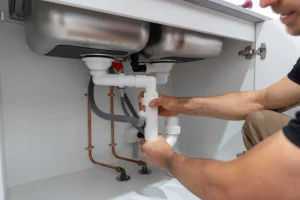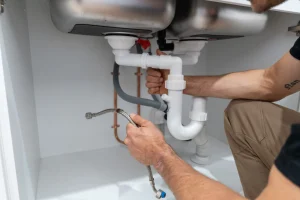
We can all agree that a leaking drain under basin or sink is one of the most common household plumbing issues. Kitchen and bathroom sinks,

A tempering valve is one of the most important safety devices on your hot water system, yet it is easy to forget until something goes wrong. When yours starts leaking, fails to hold a steady temperature, or simply reaches the end of its life, you need a licensed plumber who can replace it quickly and get your hot water back to a safe temperature.
That is where Same Day Trades comes in. Our fully licensed plumbers install, repair and replace tempering valves on electric, gas, solar and heat pump hot water systems, and we aim to be there the same day. Every job is completed to Australian Standard AS 3500 so your hot water is delivered at a safe temperature and your home stays compliant.
We are local, licensed and insured plumbers who do this work every day, so we get it right the first time, with no mess and no surprises on the invoice.
Whatever the job, you get honest advice and a tidy, professional result.

A tempering valve is a small but vital safety device fitted to your hot water system. Its job is to blend hot water from the tank with cold water, so the water delivered to your bathroom comes out at a safe, controlled temperature, by law a maximum of 50 degrees. Hot water systems store water at around 60 degrees or higher to kill bacteria such as Legionella, but water that hot can cause a serious scald in seconds, especially to children and the elderly. The tempering valve sits between the tank and your taps, automatically mixing in cold water to bring the temperature down to a safe level before it reaches you.
Tempering valves are a legal requirement on hot water systems supplying bathrooms in Australian homes, under the plumbing code and Australian Standards. The requirement exists for a simple reason: to prevent scalding. Water at 60 degrees can cause a full-thickness burn in about one second, while at 50 degrees it takes far longer, giving time to react. Children, the elderly and people with reduced mobility or sensation are most at risk. Because the tank must store water hot enough to kill bacteria, the tempering valve is what reconciles that safety need with the need to deliver water at a safe temperature to the tap. Every new or replaced hot water system must have one fitted.
A tempering valve works automatically, using a temperature-sensitive element inside it that expands and contracts as the water temperature changes. As hot water flows from the tank, the valve blends in cold water to keep the outlet temperature at the set safe level, around 50 degrees, adjusting the mix continuously as conditions change. If the hot supply gets hotter, it adds more cold; if the cold supply pressure drops, it adjusts to maintain the safe temperature. This happens instantly and without any input from you. A well-functioning tempering valve means the water at your bathroom taps stays at a safe, consistent temperature, protecting your household from scalds every time you turn on the hot tap.
You may hear two similar terms: a tempering valve and a thermostatic mixing valve (TMV). Both blend hot and cold water to deliver it at a safe temperature, but they differ in accuracy and application. A tempering valve is used in most homes, controlling the temperature to within a few degrees, which is fine for residential use. A TMV is more precise and responds faster to changes, and is required in higher-risk settings such as hospitals, aged care and childcare, where tighter temperature control is needed. For a typical home, a tempering valve is the standard, compliant choice. We can advise which your situation requires and fit the correct one.
Tempering valves wear out over time and should be checked and replaced periodically. Signs yours may be failing include:
If your bathroom hot water has become lukewarm, or worryingly hot, the tempering valve is a likely cause. Because it is a safety device, a faulty tempering valve should be checked and replaced promptly by a licensed plumber.
Tempering valves do not last forever. As a general guide, they should be replaced around every five years, because the internal element and seals wear over time and the valve gradually loses its ability to control the temperature accurately. Many people are unaware their tempering valve has a service life, and only discover it has failed when the hot water goes lukewarm or too hot. Replacing the valve on schedule keeps your hot water at a safe, consistent temperature and avoids the gradual decline that a worn valve causes. When we service or replace your hot water system, we check the tempering valve, and we can replace an ageing valve before it fails.
A very common cause of lukewarm bathroom water, when the tank itself is heating fine, is a failing tempering valve. As the valve wears, it can start blending in too much cold water, so the hot tap delivers water that is only warm no matter how high the tank temperature is. People often assume the hot water system has a fault, when in fact the tank is fine and the tempering valve is the culprit. Replacing the worn valve restores proper hot water temperature to the bathroom. If your hot water has gradually become less hot, it is well worth having the tempering valve checked before assuming you need a new hot water system.
The reason tempering valves are mandatory comes down to how fast hot water burns. At 60 degrees, the temperature a tank typically stores water at, a full-thickness scald can occur in about one second; at 55 degrees it takes around ten seconds; at 50 degrees, around five minutes. That difference is the margin between a startle and a serious injury. Young children have thinner skin and burn faster, and the elderly and those with reduced mobility may not be able to move away quickly. By keeping the delivered water at 50 degrees, the tempering valve dramatically reduces the risk and severity of scalds in the bathroom, which is why it is not optional but required.
You should consider replacing your tempering valve when it reaches around five years of age, when you notice the signs of failure (lukewarm or too-hot water, fluctuating temperature, leaking), and whenever you install or replace a hot water system, as a new system requires a new compliant valve. It is also worth checking when buying a home, as you may not know the age of the existing valve. Because it is an inexpensive part relative to the safety it provides, replacing a tempering valve on schedule is sensible preventive maintenance. We can check the age and condition of your valve and replace it promptly, restoring safe, correctly tempered hot water.
Whenever we install or replace a hot water system, fitting a compliant tempering valve is a standard and required part of the job. A new installation without a correctly fitted tempering valve is not compliant and is unsafe. So when you get a new hot water system, the tempering valve is included in the installation, delivering safe 50-degree water to your bathroom from day one. If you are replacing an old system that may not have had a compliant valve, the upgrade brings you up to current safety standards. We fit the correct valve for your system and test it as part of every hot water installation.
We install, check and replace tempering valves as a dedicated service and as part of hot water work. If your bathroom water has gone lukewarm or too hot, we will check whether the tempering valve is the cause, and if so, replace it with a compliant valve and test that it delivers water at the safe set temperature. If your valve is simply due for replacement at around five years, we can replace it before it fails. We carry common tempering valves, so most replacements are done on the spot in a single visit, restoring safe, correctly tempered hot water to your bathroom quickly and affordably.
Replacing a tempering valve is an affordable job, and far cheaper than the hot water system people sometimes wrongly assume they need when their water goes lukewarm. The cost covers the valve itself and the labour to fit and test it, and because we carry common valves, it is usually a quick, single-visit job. When fitted as part of a new hot water installation, the valve is included in the overall install price. We give you an upfront fixed price before we start, so you know the cost, and replacing a worn valve often restores your hot water for a fraction of the cost of a new system.
If your hot water has gone lukewarm or alarmingly hot, a faulty tempering valve is a likely and quick-to-fix cause, so there is no need to put up with it. We offer fast service and same-day appointments where we can across Brisbane, Perth and Adelaide, and we carry common tempering valves, so most replacements are completed in a single visit. Our phones are answered around the clock. We will check whether the tempering valve is behind your water temperature problem, replace it if needed, and test that your bathroom water is delivered at a safe, comfortable temperature again, with an upfront price before we start.
Fitting and replacing tempering valves is licensed plumbing work, because it is a safety device governed by the plumbing code and Australian Standards. Our licensed plumbers install compliant tempering valves, set and test them to deliver water at the safe 50-degree limit, and ensure your hot water system meets the current scald-prevention requirements. You get honest advice on whether a lukewarm-water problem is the valve or the system, upfront fixed pricing, same-day service where we can, and compliant workmanship we stand behind. For a plumber near you to install or replace a tempering valve, we cover Brisbane, Perth and Adelaide.
Heated water delivered to showers, baths and basins must not exceed 50°C in most homes, and 45°C in high risk facilities such as aged care and childcare. Storage systems still need to keep water at 60°C or higher to control Legionella, which is why a tempering valve is required.
It blends hot water from your tank with cold water to deliver a safe, steady temperature at the tap, protecting against scalding while still allowing the tank to store water hot enough to kill bacteria.
Manufacturers generally recommend replacing tempering valves around every five years. They should also be tested regularly, as performance drops as the internal parts wear.
A tempering valve holds temperature to within about three degrees and suits most homes. A thermostatic mixing valve (TMV) is more precise and has a fail-safe shutoff, and is required in higher risk settings like hospitals, schools and aged care.
Common signs are water that is too hot or never hot enough, temperatures that fluctuate in the shower, reduced hot water pressure, and leaks or corrosion around the valve. Age over five years is another reason to have it checked.
No. Tempering valves must be installed and adjusted by a licensed plumber. It is a legal requirement and getting the temperature wrong can cause scalding, so it is not a DIY job.
As a guide, most tempering valve replacements cost between around $200 and $450 depending on the valve type, your system and access. We provide an upfront fixed price before we start.
Yes. We carry common tempering valves on the van and aim to replace yours the same day across Brisbane, Perth and Adelaide. Call 1300 632 094 and we will get a licensed plumber to you.

We can all agree that a leaking drain under basin or sink is one of the most common household plumbing issues. Kitchen and bathroom sinks,

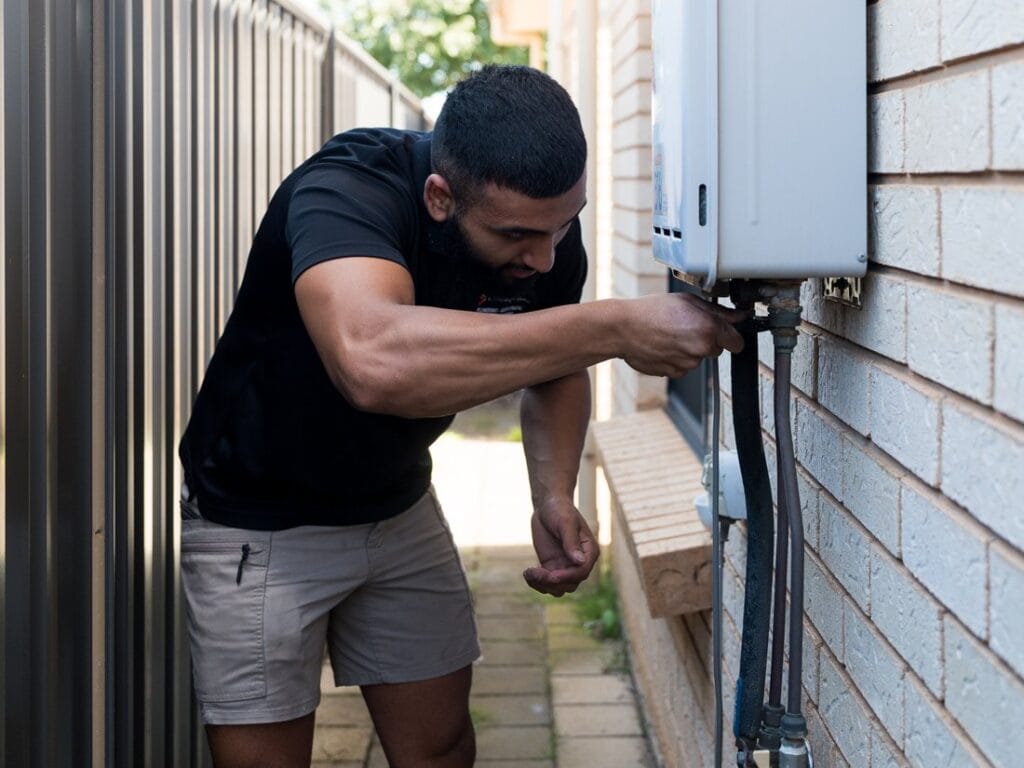
Are blocked drains or damaged pipes disrupting your plumbing network? Get in touch with us at Same Day Trades for effective solutions at the earliest.
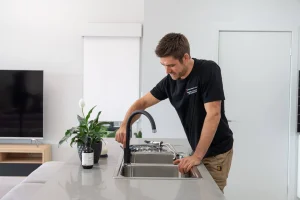
If you notice sudden leaks or rust-riddled water, it may be time to replace taps immediately. Fortunately, you have come to the right place. Contact
Pipes in the plumbing system of some homes may be blocked frequently due to various reasons. Sometimes roots may enter the pipes through the cracks
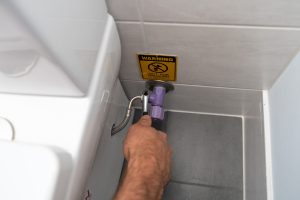
If you find constant puddles of water or condensation in a portion of the toilet, it means you’re dealing with a leaking toilet! There are
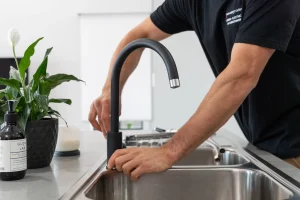
If your tap is faulty or looks outdated, you will want to replace it. And you’ve come to the right place for it! To install
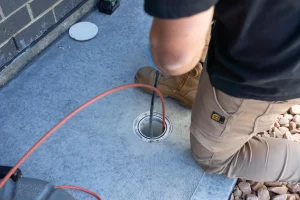
There can be multiple causes of a clogged drain, and it can prevent sinks and toilets from working. And snake down drains serve as excellent
Downpipes carry rainwater from gutters and let it reach the soil to prevent it from splashing or dripping down the roof. This way, the extra

With hundreds of 5 star reviews, we’re the local tradesmen you can trust.

We make sure you know exactly what you are paying for ahead of time.

You’re in safe hands as our tradesmen are fully licensed and insured to do your job.


Our work will be free of defects in workmanship and workmanship will be warranted for life.

We offer convenient booking times that can be worked around your schedule.

We take calls 24 hours a day and 365 days a year so that we’re always available to be of service.

With hundreds of 5 star reviews, we’re the local tradesmen you can trust.

We make sure you know exactly what you are paying for ahead of time.

You’re in safe hands as our tradesmen are fully licensed and insured to do your job.

Our work will be free of defects in workmanship and workmanship will be warranted for life.

We offer convenient booking times that can be worked around your schedule.

We take calls 24 hours a day and 365 days a year so that we’re always available to be of service.