A leaking pipe can waste thousands of litres of water and quietly damage your home long before you ever see a drop, which is why recognising the signs early is so important. Most serious water damage starts as a small, hidden leak that went unnoticed for months. This guide walks through the warning signs of a leaking pipe, what causes them, and how a leak is properly found and fixed.
A water bill that has crept up
One of the most reliable early signs of a hidden leak is a water bill that is noticeably higher with no change in how you use water. Even a small leak can waste hundreds of litres a day, adding up quietly on the bill long before any damp appears. There is a simple check you can do yourself: turn off every tap and water-using appliance, note your water meter reading, and check it again after an hour or two with no water used. If the meter has moved, water is escaping somewhere and you have a leak worth finding. Many meters also have a small leak indicator that spins with even a tiny flow, which is a quick way to confirm a running meter.
Damp, stains, mould and musty smells
Water stains or discolouration on walls or ceilings, bubbling or peeling paint, and soft or warped plasterboard in places that do not normally get wet all point to a concealed leak, do not just put it down to condensation. Mould or a persistent musty smell in a spot that is not a shower is another red flag, as is new dampness appearing in the flooring. Because these build gradually, significant and expensive damage, rotted timber, ruined plaster, soaked insulation and mould, can occur before the leak becomes obvious, which is exactly why acting on the early signs matters.
Sounds, pressure and outdoor clues
Listen for the sound of running or hissing water when every tap in the house is off, a classic sign of a pipe leaking somewhere out of sight. A drop in water pressure across several fixtures can indicate a leak in the supply line, though mineral build-up or a partly closed valve can cause the same thing. Outdoors, look for patches of lawn that are much greener than the rest, spongy or boggy ground, or wet areas that never dry out, these can signal an underground pipe leak, which can also wash away soil and undermine paths, paving and foundations over time.
Warped floors and foundation cracks
Hidden leaks under the floor or a concrete slab can cause flooring to warp, lift, discolour or feel damp underfoot, and a warm patch on the floor often signals a leaking hot water pipe beneath. Over a longer period, an underground leak can erode the soil and even contribute to cracks appearing in paths, paving or the home’s foundation. These are signs that a leak has been present for some time and should be investigated promptly before the structural damage worsens.
What causes pipes to leak?
Pipes leak for several common reasons: corrosion and age, as older metal pipes rust and weaken from the inside until they develop pinholes or cracks; high water pressure constantly stressing pipes and joints; ground movement and tree roots, especially on buried pipes; failed or poorly made joints; and physical damage, such as a nail or screw driven into a pipe during renovations. Corrosion is the leading cause in older homes, and a pinhole leak from corrosion often signals that more are on the way, so the overall condition of the pipework matters as much as the single leak in front of you.
How we find and fix hidden leaks
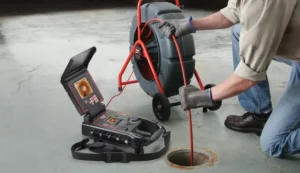
If you have damp patches but cannot find the source, a licensed plumber can locate it with professional leak detection, acoustic listening devices and thermal imaging that pinpoint the leak so only a small, precise access point is needed, rather than opening up walls or floors at random. We then repair the pipe, whether it is a burst pipe in a wall, a corroded section, or a leak buried in the yard, and test the result. Acting early limits both the damage and the wasted water, so if you suspect a leak, it is well worth getting it checked. We find and fix hidden leaks across Brisbane, Perth and Adelaide.
Frequently asked questions
How do I know if I have a hidden water leak?
Common signs are a rising water bill, damp patches or stains, bubbling paint, a musty smell or mould, the sound of running water with taps off, low pressure, soggy patches in the yard, or a water meter that keeps ticking over when everything is off.
How can I check my meter for a leak?
Turn off all taps and appliances, note the meter reading, and check again after an hour or two with no water used. If the reading has moved, you have a leak.
Can a plumber find a leak without digging up my house?
Yes. We use acoustic and thermal leak detection to pinpoint the leak first, so only a small, targeted access point is needed to reach and repair the pipe.
Is a small leak really worth fixing straight away?
Yes. A small leak wastes water continuously and can cause rot, mould and structural damage over time, so fixing it early is far cheaper than dealing with the damage later.
Need a licensed plumber, electrician or air con technician?
Same Day Trades services Brisbane, Perth & Adelaide with upfront fixed pricing and same-day service where we can.